Tier0 vs Tulip: Composable MES, Reinvented - From Drag-and-Drop to AI-Generated UNS-Native Apps
Product
3 minutes
Tulip deserves real credit. More than any other vendor in the past decade, Tulip popularized the idea that the manufacturing application layer should be composable, frontline-oriented, and accessible to engineers who do not write code. “Composable MES” is now part of the industry vocabulary in large part because Tulip put it there. Any honest comparison should start by acknowledging that.
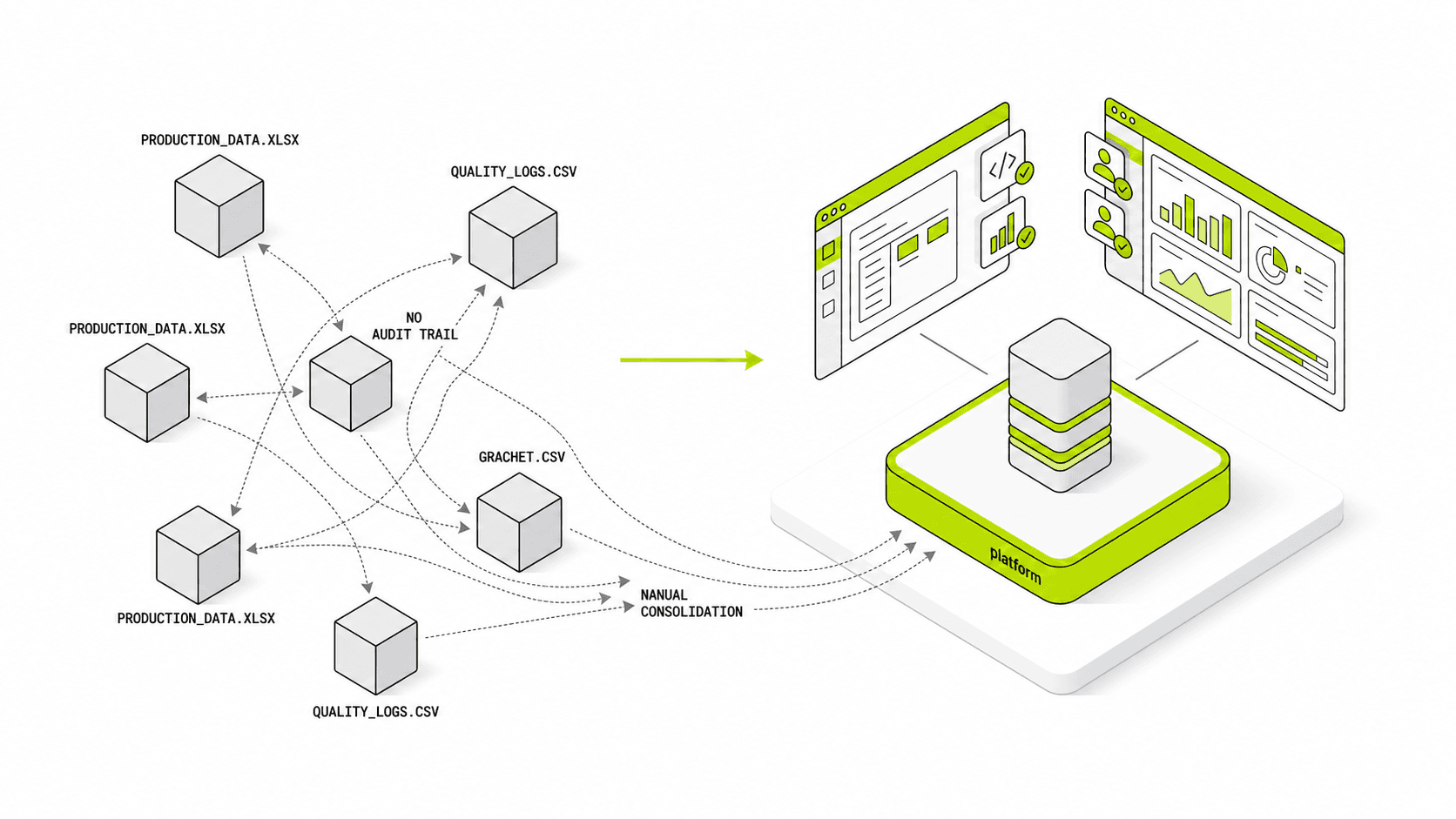
With that foundation accepted, the next question is the right one to ask: composable MES is the right direction — but is drag-and-drop assembly still the most efficient way to deliver it? Tier0's answer is no, on two counts. First, for the large category of business applications whose logic is genuinely simple, AI-based generation from natural language can be faster and produce better-fitting apps than manual composition. Second, composability inside a platform's internal data model is not the same as composability on a shared semantic foundation. A Unified Namespace gives composable apps a common language that platform-internal tables typically cannot.
Where Tulip and Tier0 sit relative to each other
Dimension | Tulip | Tier0 |
|---|---|---|
Category | Composable MES / frontline operations apps. | Full-stack UNS-based industrial data and application platform. |
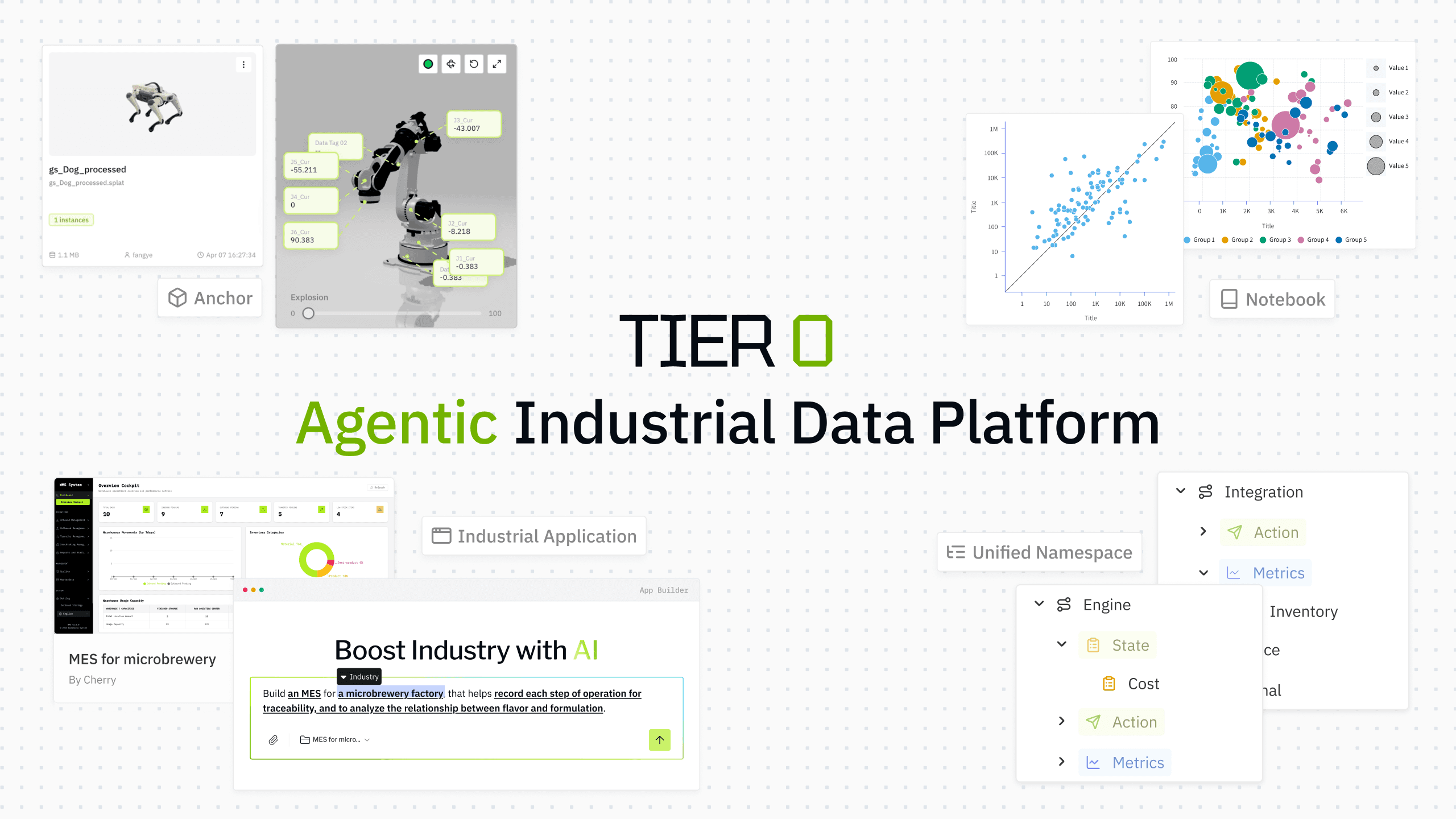
App build model | No-code drag-and-drop composition by app builders. | Natural-language generation by App Builder. Engineers describe; Tier0 generates. |
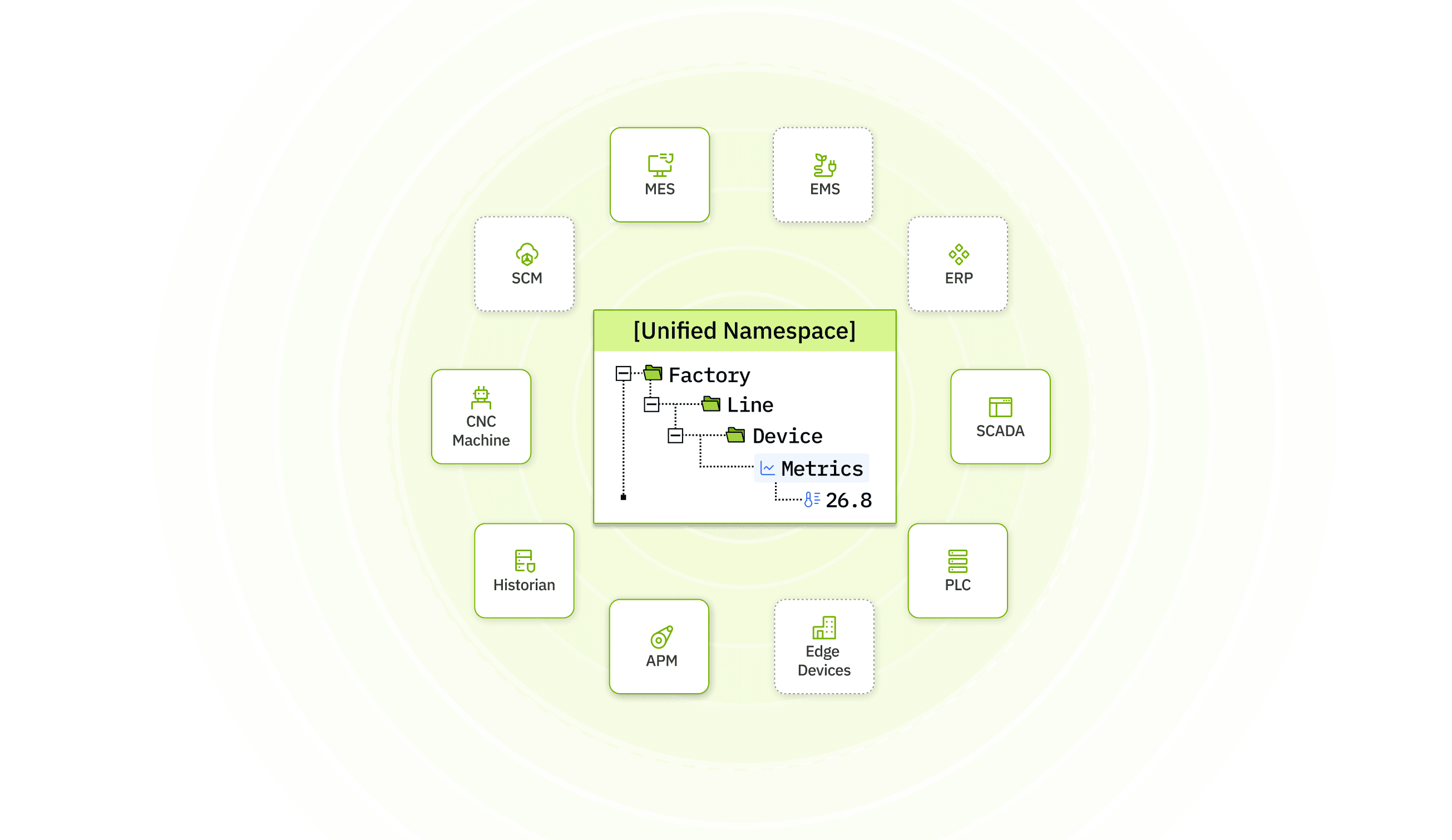
Underlying data architecture | Platform-internal data model: Tulip Tables, Connectors, Functions, Edge MC. | Shared UNS foundation: Namespace, SourceFlow, EventFlow, time-series persistence. All apps read from and write to the same Namespace. |
Cross-app data sharing | Through Tulip Tables and API connectors, designed app by app. | Inherited through the shared Namespace — apps share the same semantic model. |
New app = | A new composed frontend backed by Tulip's data model. | An extension of the UNS itself. |
AI role | AI-assist features layered on top of an existing drag-and-drop product. | App Builder's natural-language generation is the core mechanism for application delivery. |
Best fit | Frontline operator apps and guided work instructions. | MES-style business apps on top of operational data, generated from natural language. |
Where AI generation outperforms drag-and-drop
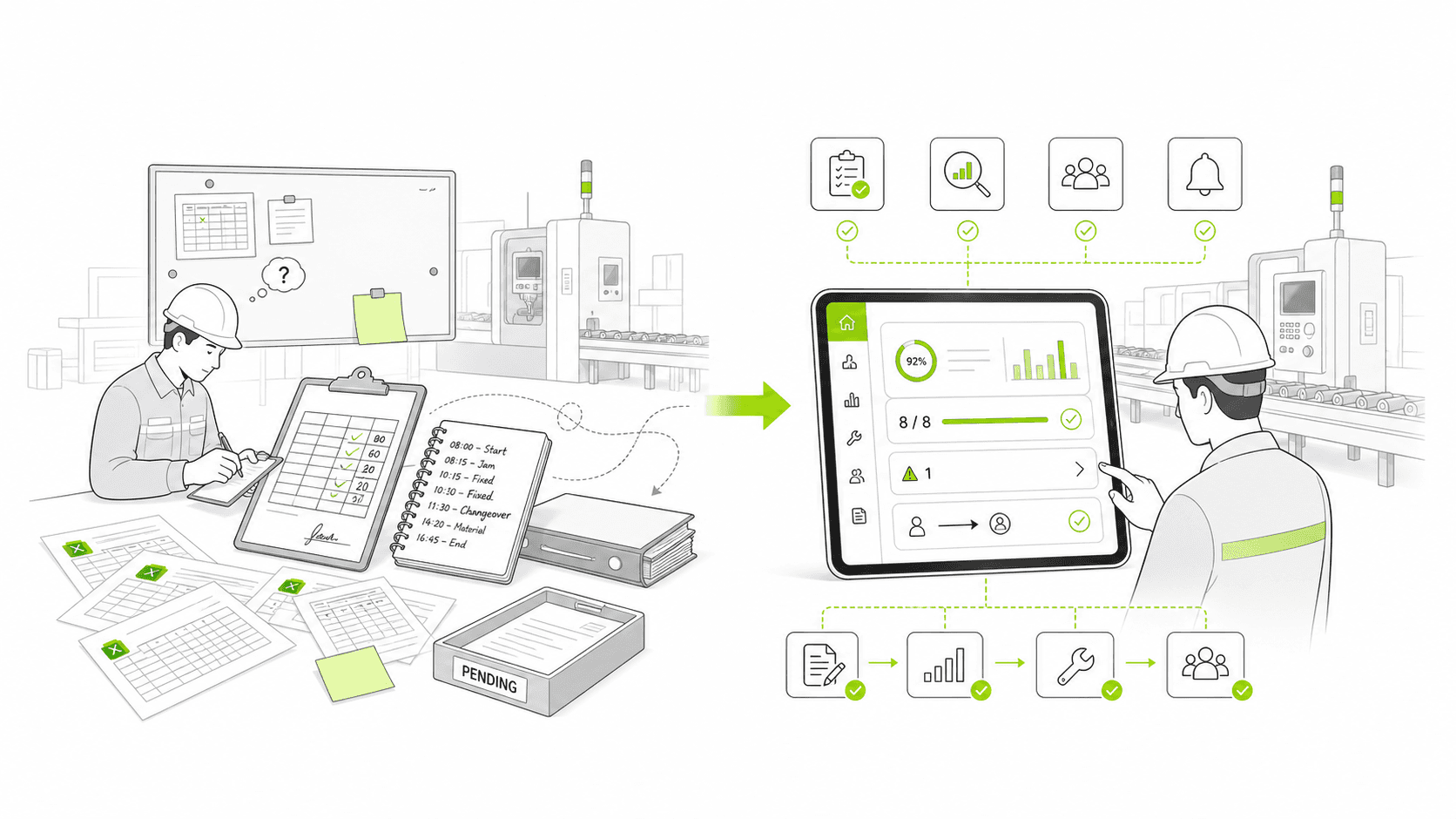
Drag-and-drop composition is a real productivity gain over custom development, and Tulip's product has proven that. But there is a category of industrial applications whose logic is genuinely simple — and for that category, generating the app from a natural-language description can be dramatically faster than assembling it from components, and often produces a better-fitting result because the LLM can carry the full intent across UI, data binding, and workflow in one pass.
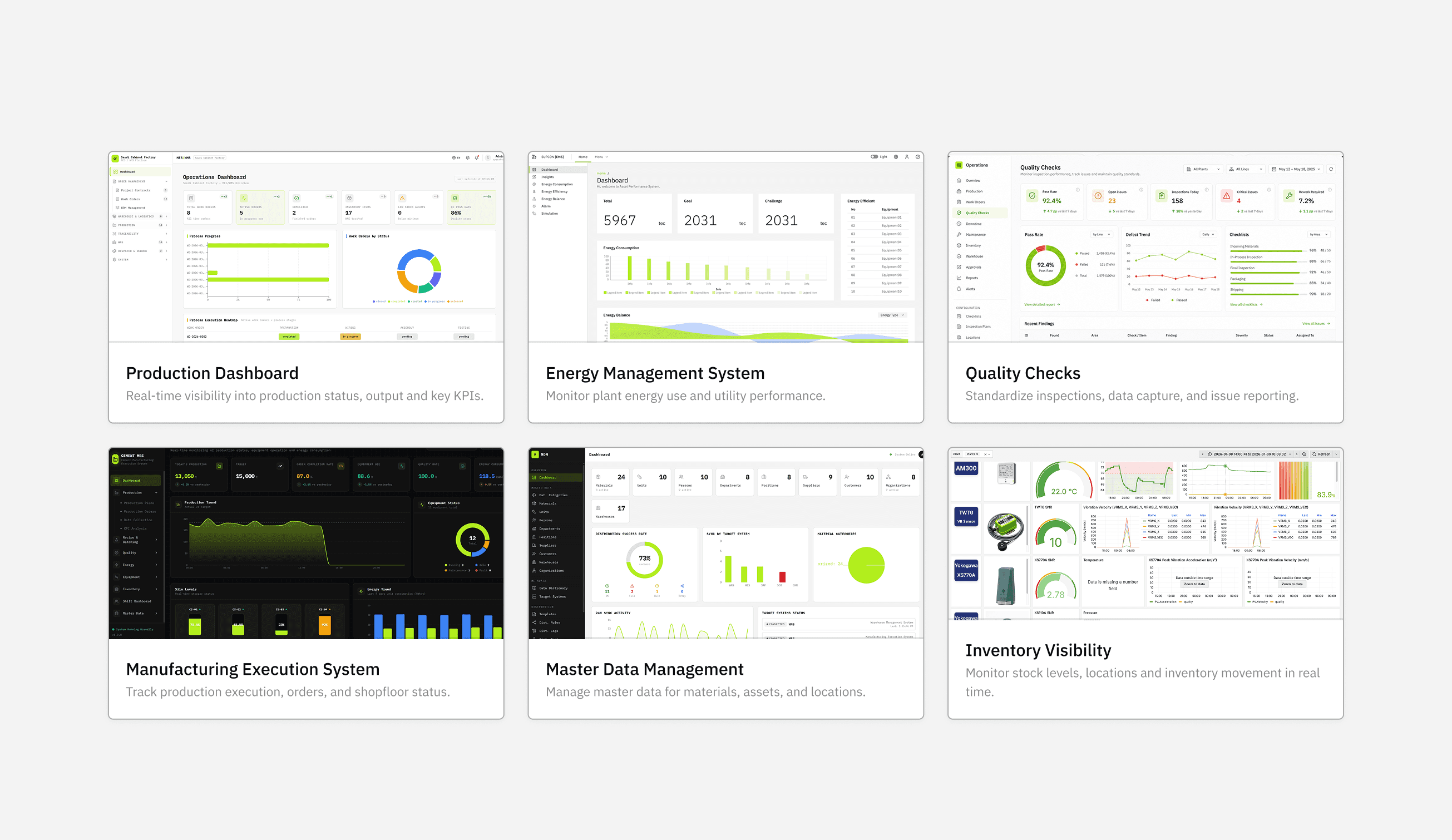
In Tier0's practice, the applications that App Builder generates especially well include:
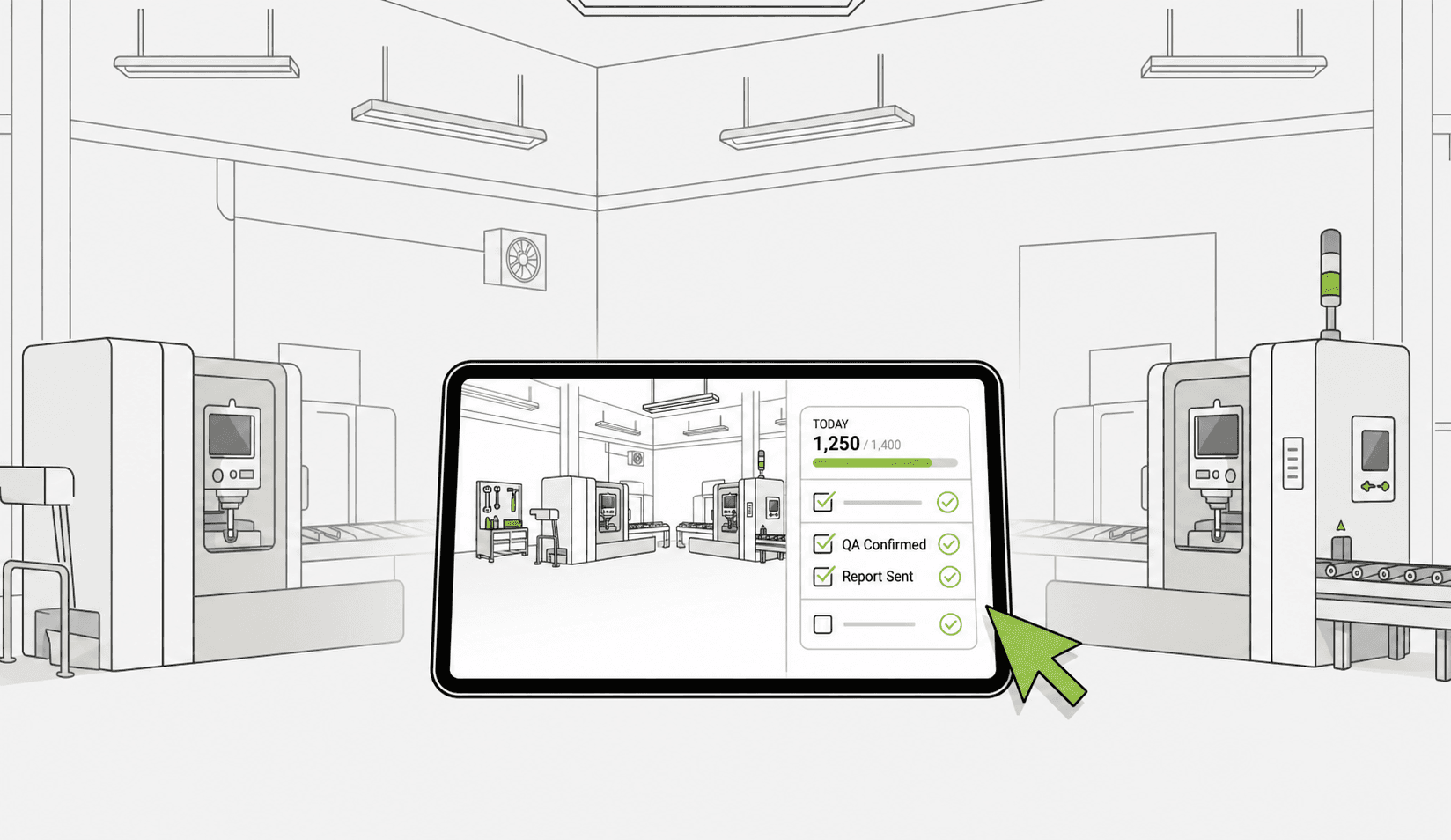
Inspection and patrol records
Sampling and quality entry
Downtime reports and changeover confirmations
Production dashboards and progress tracking
Equipment maintenance and work orders
These are the apps that arguably should not have required a dedicated app-building team to compose by hand. They also make up the majority of a factory's day-to-day digital surface area. For this category, AI generation is designed to be not just faster — but structurally a better fit.
Tier0 is honest about where this approach has limits today. Heavy approval workflows, applications with deeply nested branching logic, and apps that depend on rich multimedia attachments are harder to generate well from natural language alone. For those cases, drag-and-drop composition or hybrid approaches still have a role. The point is not that AI generation replaces every kind of app — it is that for the long tail of simple-but-numerous business apps that dominate real factories, AI generation can be the more efficient model.
Where UNS-native composability outperforms platform-internal composability
Composability inside a platform is composability with a limit: the platform's internal data model. Tulip apps share data through Tulip Tables, Connectors, and Functions, which works well within the Tulip world but reproduces the integration problem each time data needs to cross out of it. A new Tulip app is composable with other Tulip apps — but from the rest of the factory's perspective, it tends to look like a new silo with a Tulip-shaped boundary.
Tier0 lifts composability up one level. Every App Builder application is designed to be UNS-native: it reads from the same Namespace, writes back to it, and inherits the same semantic model as every other Tier0 app. A new inspection app and a six-month-old downtime app share the same definition of “equipment” and “line” not because someone designed the integration, but because they were generated against the same Namespace to begin with. New apps are designed to enrich the namespace instead of fragmenting it.
Tulip made composable MES a category. Tier0's bet: the next version of composable MES is AI-generated and UNS-native — so new apps stop creating new silos.
When Tulip may be the better choice
Tulip may be the better fit when the priority is operator-facing frontline apps — guided work instructions, station-level interactions, vision-and-IoT-integrated operator experiences — and the team values a mature drag-and-drop builder, a large library of templates, and the broader Tulip ecosystem around frontline operations.
When Tier0 may be the better choice
Tier0 may be the better fit when the team wants to deliver a high volume of business-logic-light, data-heavy industrial applications quickly — inspection, sampling, downtime, changeover, dashboards, work orders — and wants those applications to share a single semantic model across the factory rather than each becoming a new platform-internal silo. The combination of a full-stack UNS foundation, App Builder's natural-language generation, and UNS-native composability is the structural difference.