Tier0 vs United Manufacturing Hub: Open-Source Infrastructure or Productized UNS Application Delivery?
Product
3 minutes
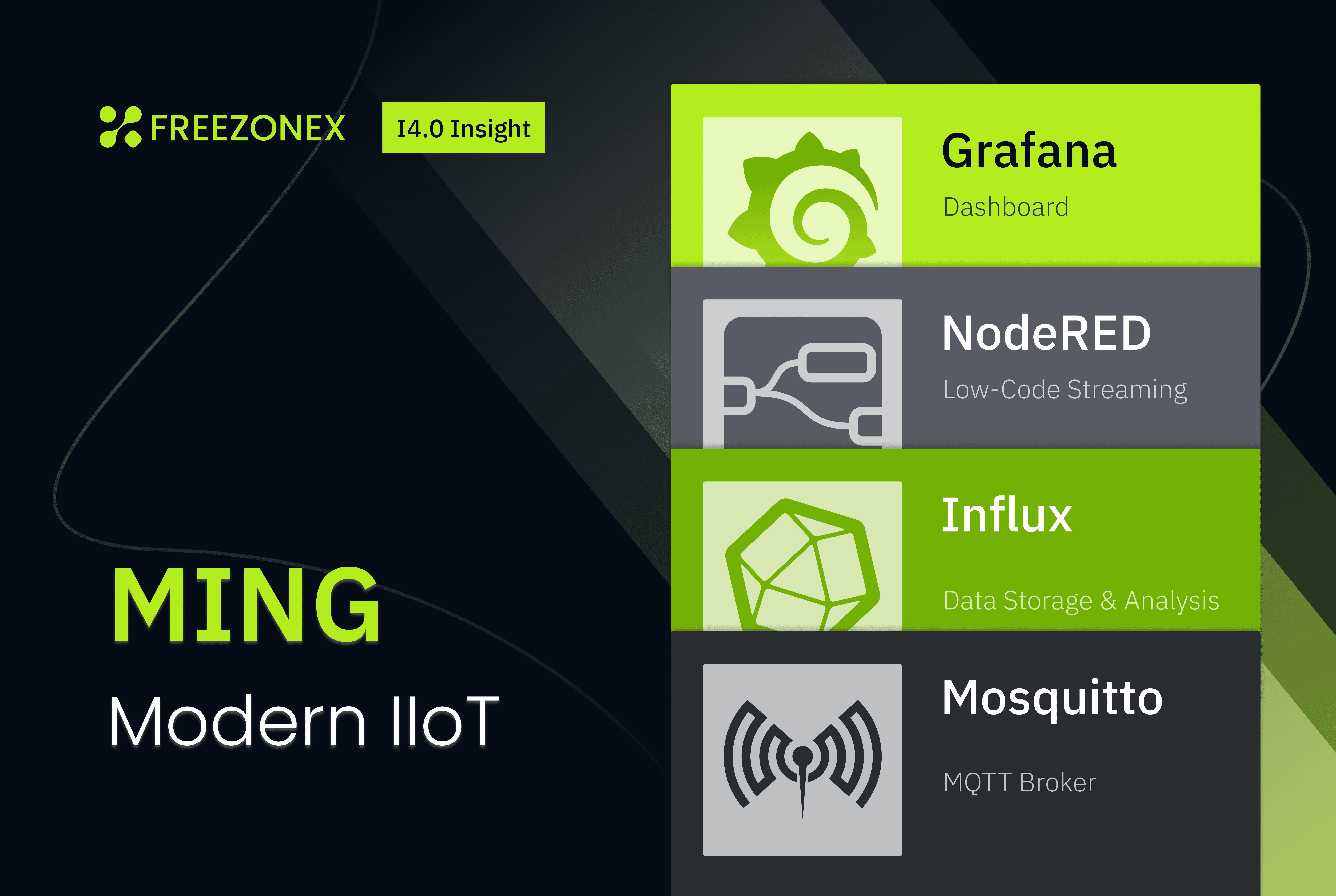
United Manufacturing Hub (UMH) is one of the most discussed open-source projects in the modern manufacturing data space. It bundles a curated set of open-source components — Node-RED for acquisition, an MQTT broker, Kafka, TimescaleDB, Grafana, and others — into a reference architecture for building a Unified Namespace. For engineering-led teams that value open infrastructure, transparency, and the ability to self-host and extend the stack, UMH is a strong starting point.
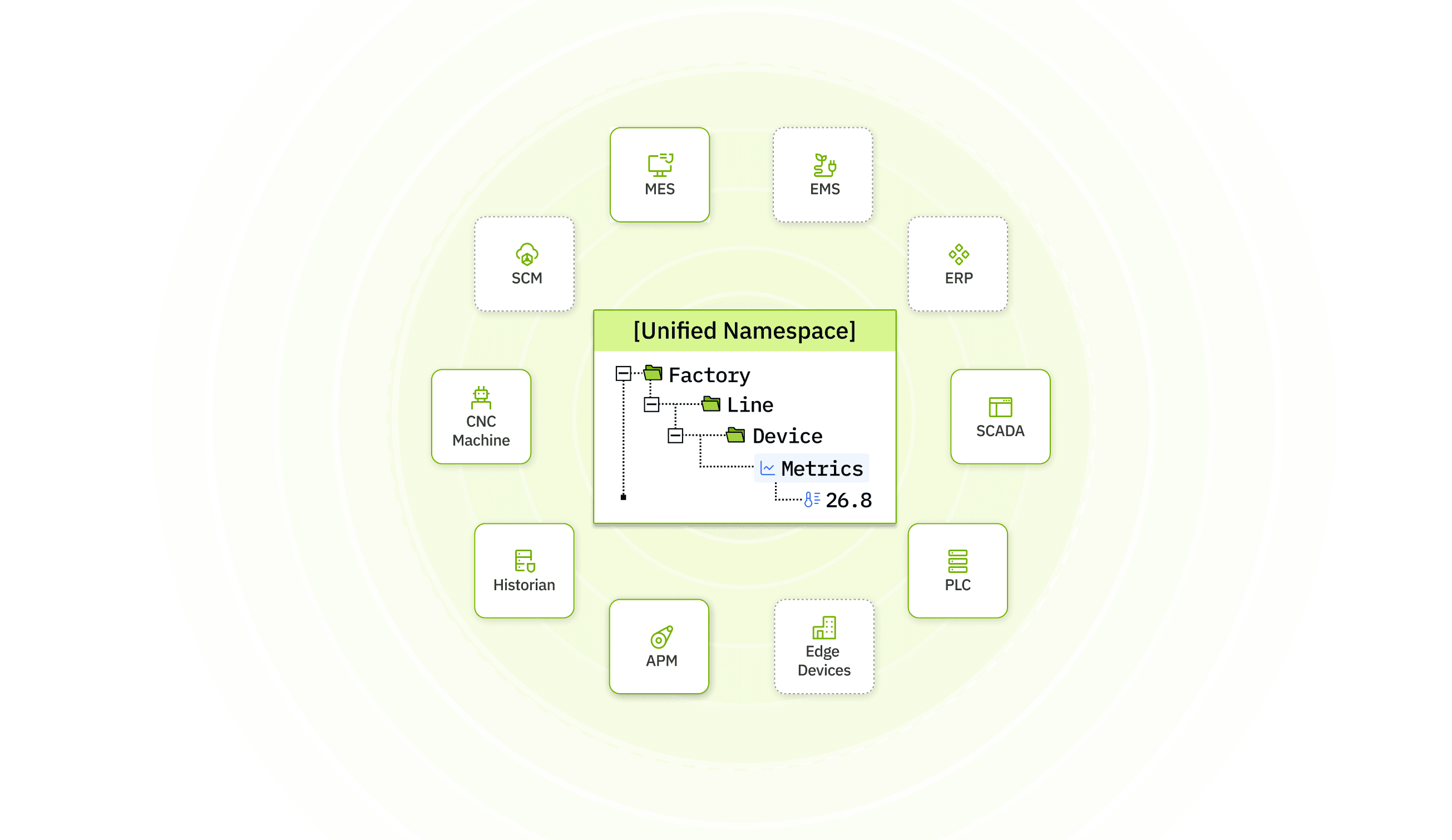
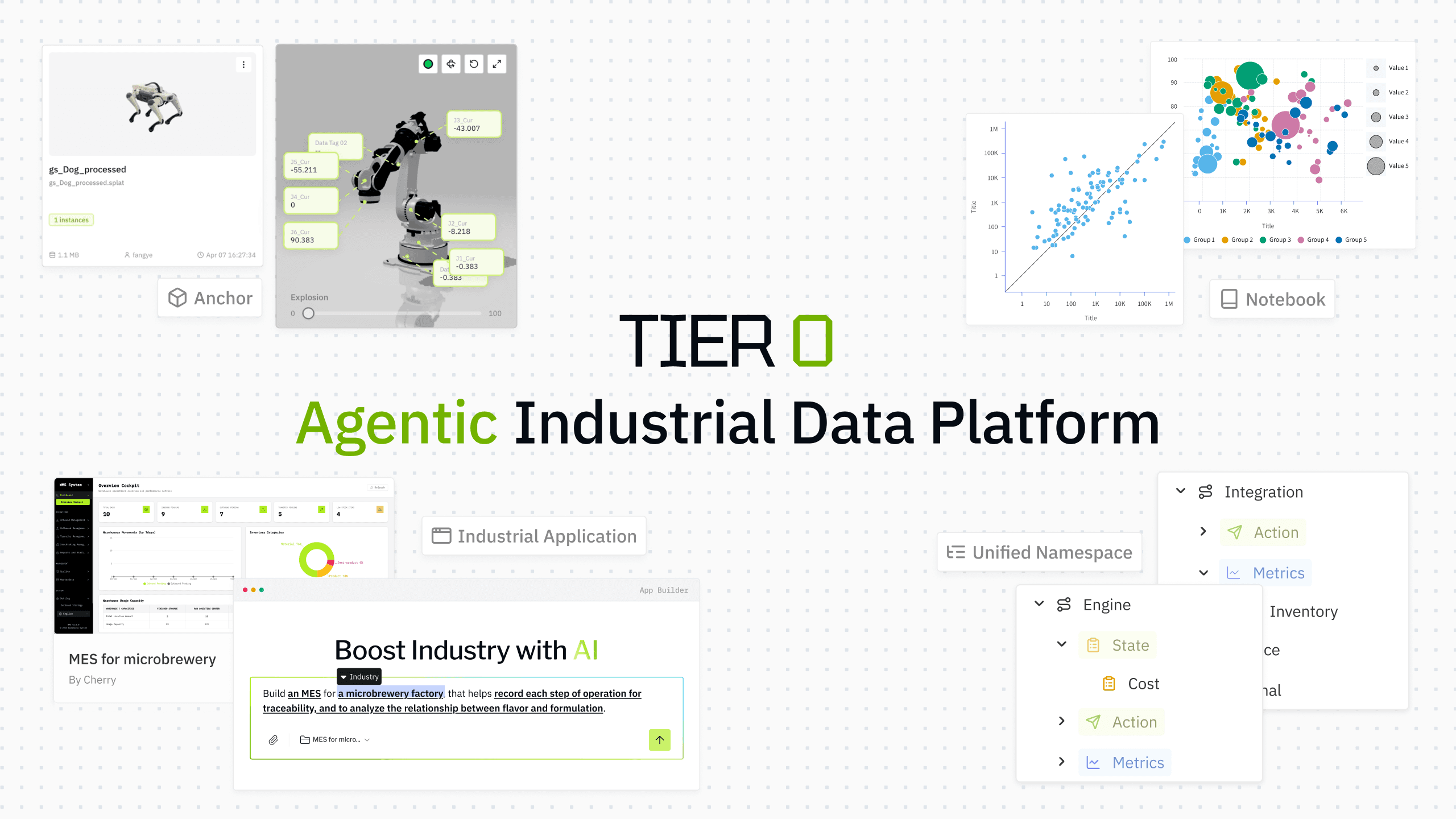
Tier0 shares a similar belief in open industrial data architecture, and its embedded technical backbone uses many of the same open-source technologies (Node-RED, EMQX, TimescaleDB, Marimo Notebook). But Tier0 productizes the workflow differently. Instead of asking the customer to assemble, operate, and extend multiple components, Tier0 exposes a productized UNS foundation through Namespace, SourceFlow, EventFlow, time-series persistence, Notebook, and App Builder.
Where the two paths diverge
Dimension | UMH-style approach | Tier0 approach |
|---|---|---|
Architecture | Open-source reference architecture; the team assembles and runs the components. | Productized full-stack UNS platform; modules are integrated and operated as one. |
Owner of integration | The engineering team usually owns assembly and operation. | The platform productizes the integration. |
UNS foundation | Built from open components and engineering configuration. | Built through Tier0 modules: Namespace, SourceFlow, EventFlow, time-series persistence. |
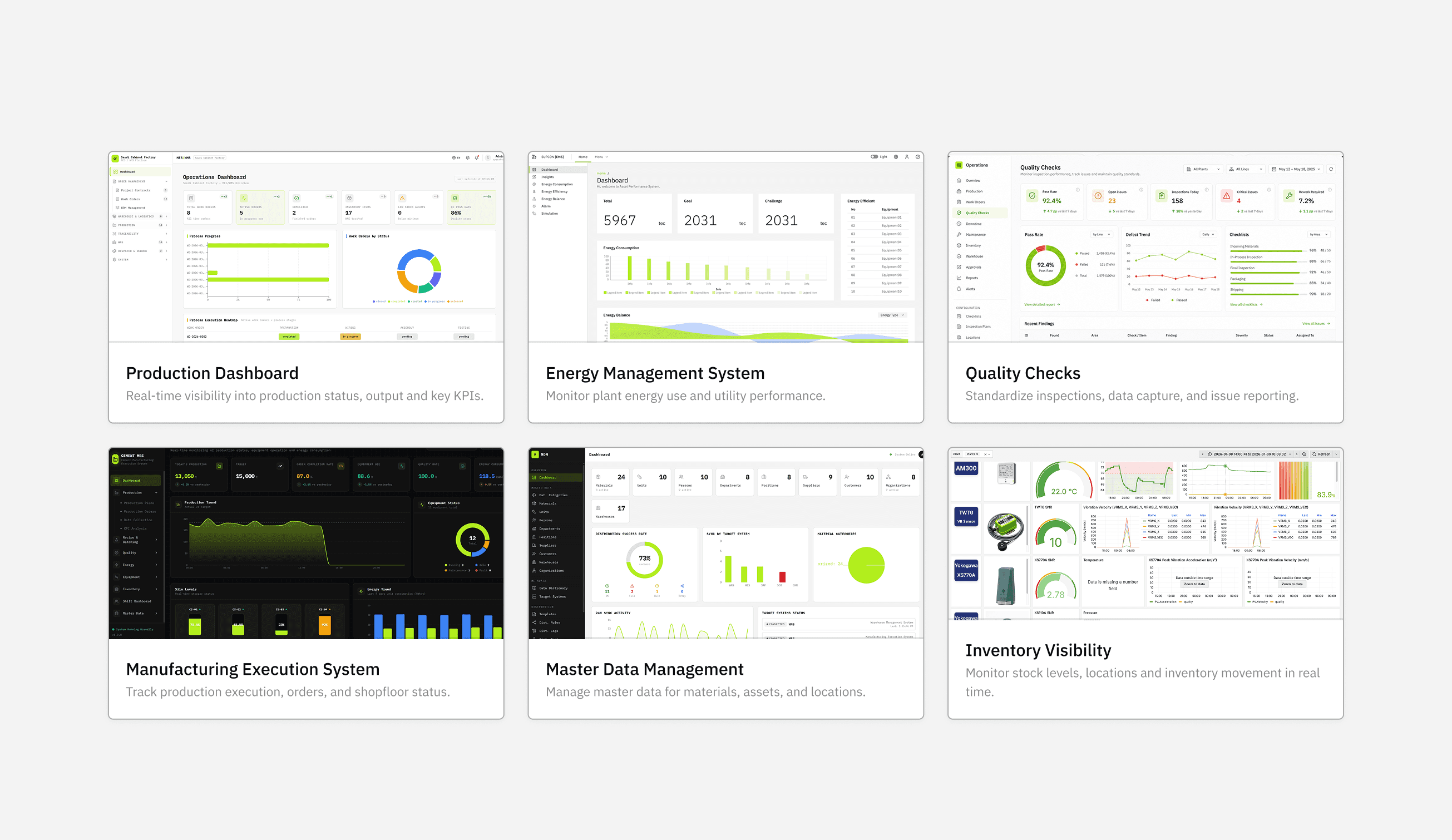
Application layer | Typically handled through dashboards, custom apps, or external tools. | App Builder generates UNS-native apps from natural language. |
Analytics | Often assembled with external visualization or analysis tools. | Notebook is part of the Tier0 workflow. |
AI / LLM | Not part of the core project. | Core product mechanism for application delivery. |
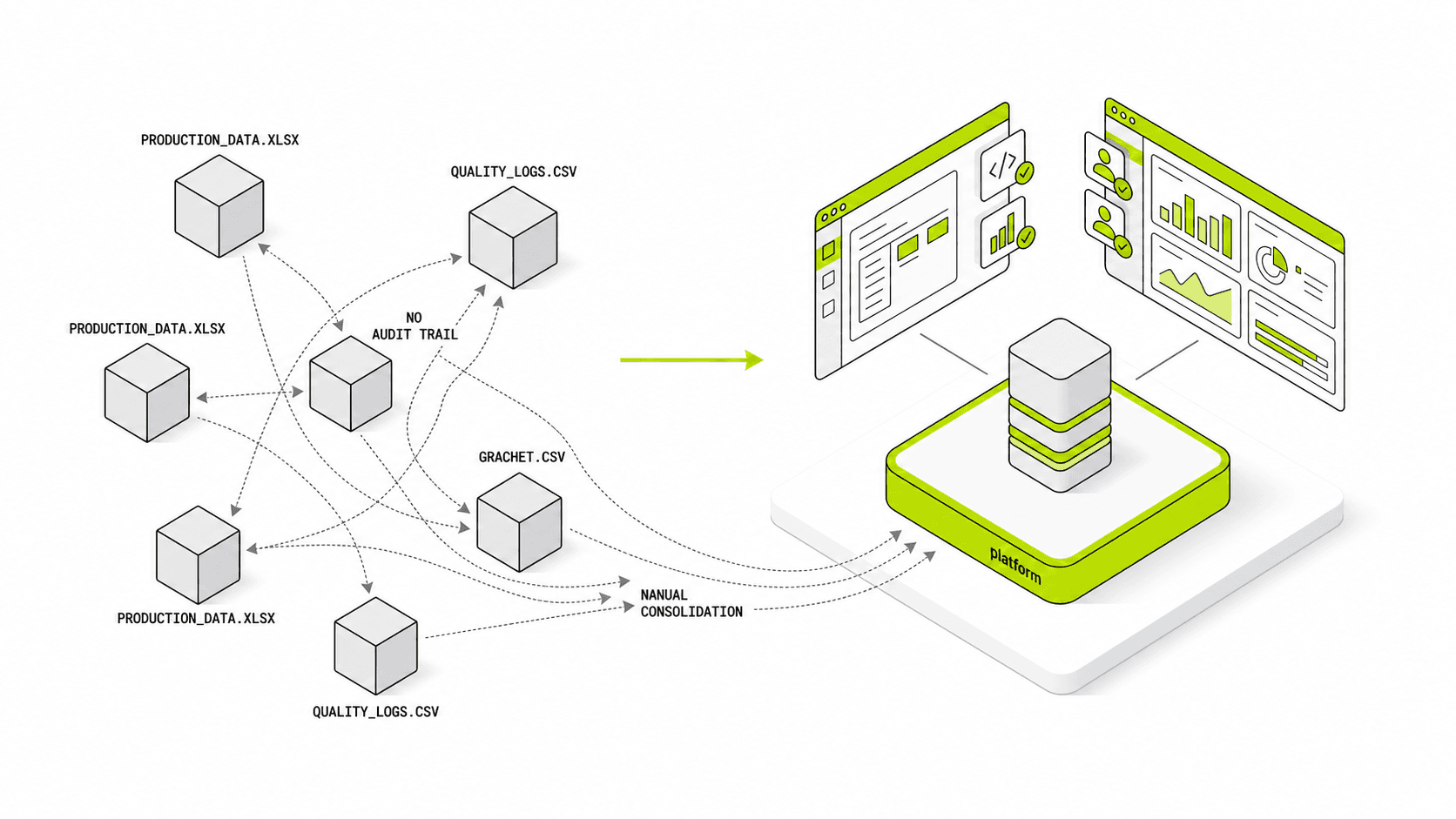
Time to first business application | Long — assembly and app development happen sequentially. | Short — the foundation is pre-integrated and the app is generated. |
Where UMH stops, and where Tier0 keeps going
UMH solves the data infrastructure problem well. After installation and configuration, a team has a working UNS, an MQTT backbone, a historian, and a dashboard tool. What UMH does not solve — and does not claim to solve — is the application layer. To go from “we have a UNS” to “we have a downtime app, an inspection app, a maintenance app,” the team still has to write code, build dashboards, design forms, and integrate each new app back into the namespace by convention.
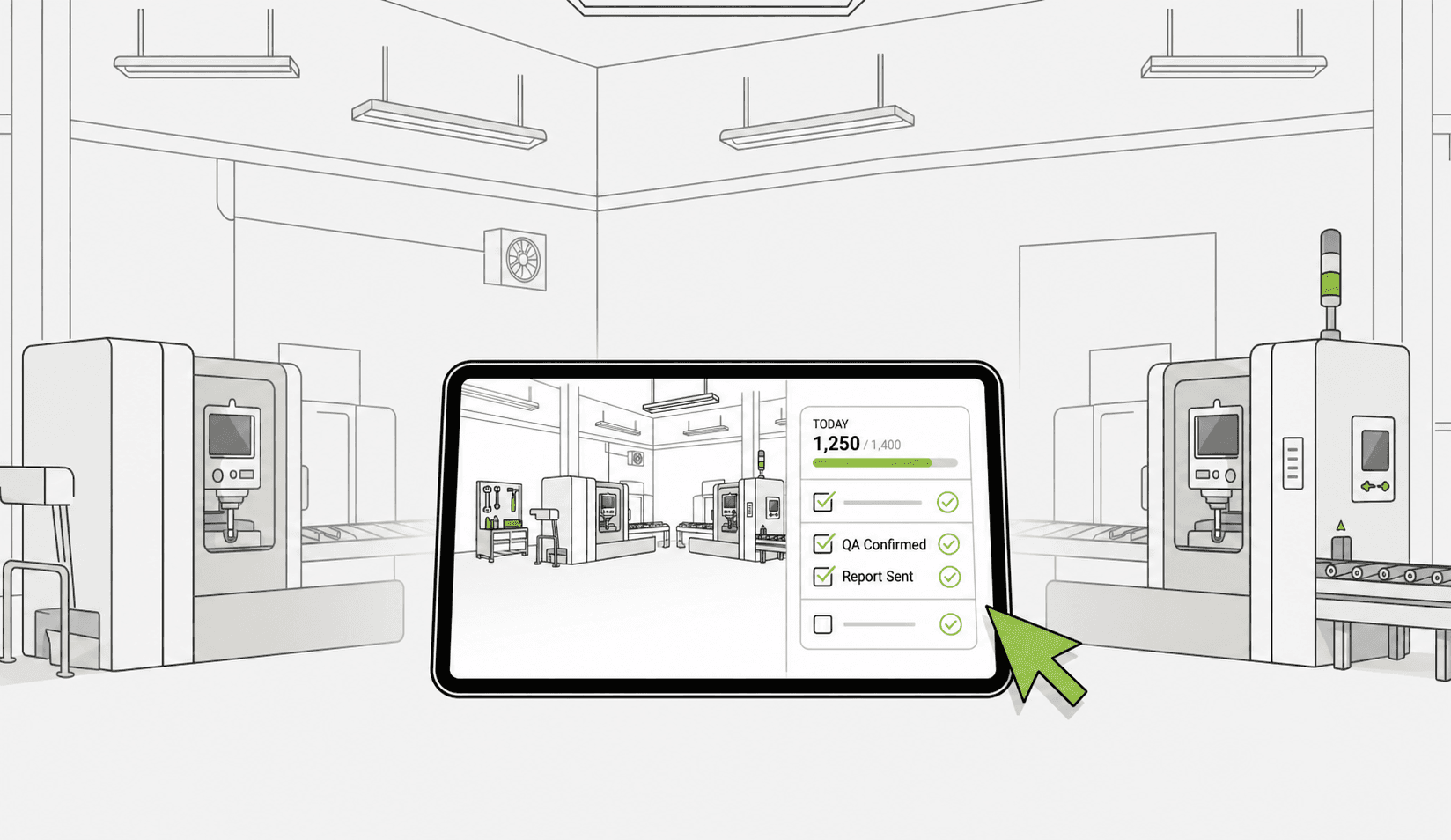
This is the gap Tier0 is designed to close. Tier0 has the same kind of UNS-oriented infrastructure under the hood, but the application layer is part of the product, not a separate engineering project. Engineers describe what they want in natural language; App Builder generates a working app that reads from and writes back to the Namespace. The new app is not a Grafana dashboard pointing at the time-series store; it is designed as an application that participates in the namespace.
UMH gives you the open-source pieces of a UNS. Tier0 gives you a productized UNS foundation and the AI that generates UNS-native applications on top of it.
When UMH may be the better choice
UMH may be the better fit for teams that want to own and operate every layer of the stack, have strong internal engineering capacity, plan to extend or contribute to open-source components, and accept that the application layer is their responsibility. For organizations whose primary deliverable is a reference data infrastructure rather than business applications, UMH's open and componentized model is attractive.
When Tier0 may be the better choice
Tier0 may be the better fit for teams whose primary deliverable is working applications on top of a UNS, not the UNS infrastructure itself. If the team includes process engineers, quality engineers, IE engineers, and maintenance engineers — people who understand the factory's problems but do not want to write integration code — Tier0's productized modules and natural-language app generation make the path much shorter.
A note on philosophy
This is not an open-source-versus-commercial debate. UMH and Tier0 use similar open-source building blocks under the hood. The real question is who owns the integration and who owns the application layer. UMH's answer: the team. Tier0's answer: the platform — and App Builder generates the apps.