What is Lightweight Digitalization?

Use Cases

3 minutes

Lightweight digitalization means improving business or operational workflows with focused, practical software instead of starting with a large, multi-year transformation program. It is usually the right approach when a company has real pain points but does not want every improvement to become a major system project.

In manufacturing, lightweight digitalization often starts with one specific use case: production reporting, shift handover, inspection records, abnormal tracking, downtime logging, or inventory movement. The goal is not to build a giant system on day one. The goal is to solve one real problem quickly, prove value, and expand from there.

Why the term matters

Many companies want digital improvement, but the phrase “digital transformation” can feel too broad, too abstract, or too expensive. That is because it is often associated with large programs, complex change management, and heavy implementation cycles.

Lightweight digitalization is different. It is pragmatic. It accepts that not every problem needs a full enterprise program. It focuses on high-frequency workflows where better records, traceability, coordination, or visibility can create immediate operational value.

Typical examples

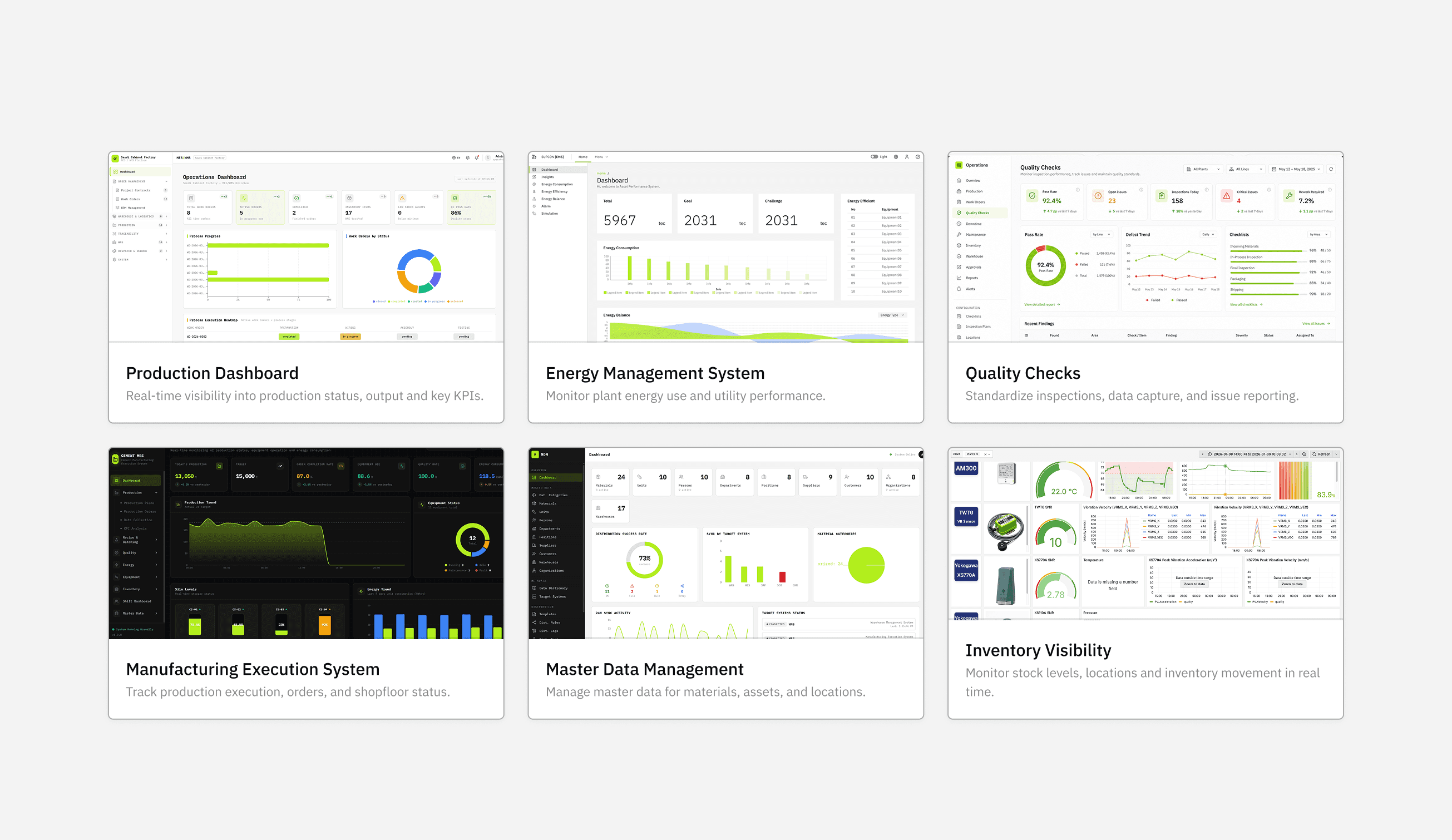
Common examples include:

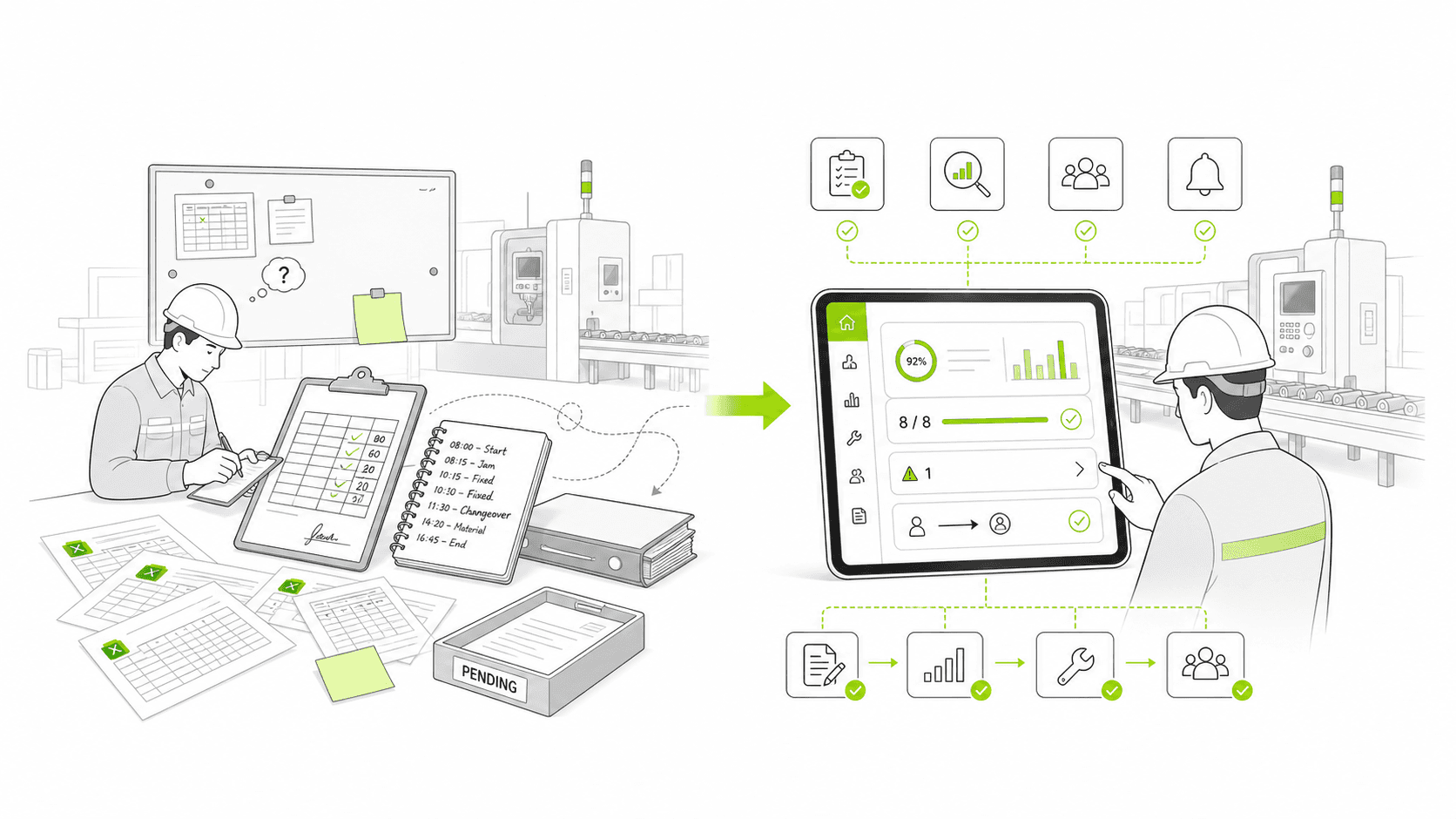
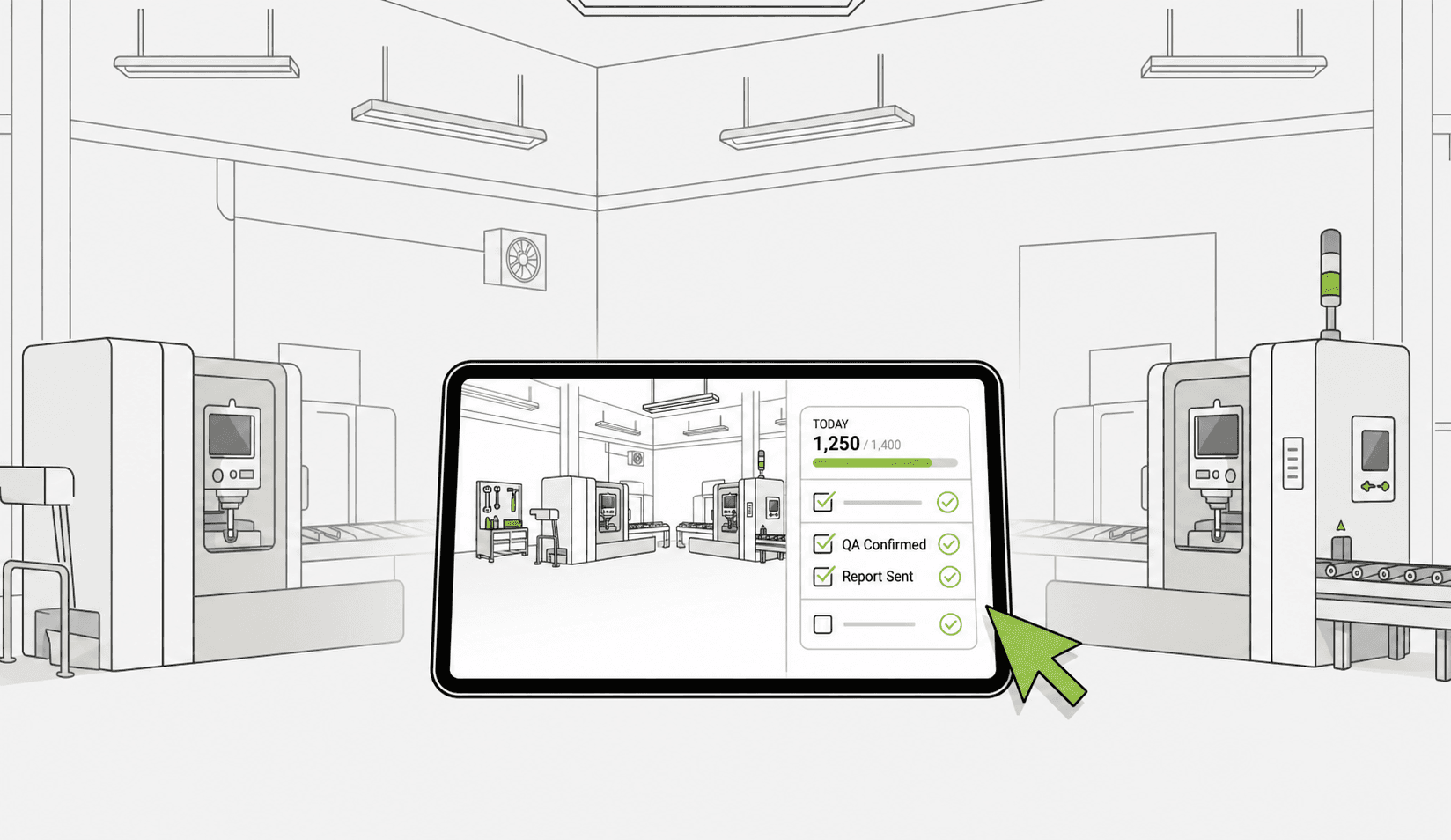
  • replacing Excel-based production reporting with a structured digital form

  • replacing a paper shift handover book with a simple role-based app

  • digitizing inspection checklists and abnormal capture

  • recording downtime reasons in real time instead of after-the-fact spreadsheets

  • digitizing stock-in, stock-out, and cycle-count records for a small warehouse

These are not trivial workflows. They matter to the business. But they are often too small to justify a full-scale software project.

Why it works

Lightweight digitalization works because it aligns better with how many businesses actually improve operations. Most teams do not need a complete future-state architecture before they can fix one painful process. They need a solution that can be used quickly, refined in real operation, and expanded when the organization is ready.

This approach also lowers adoption risk. A business can start with one team, one line, one area, or one workflow. If the result is useful, the model can be extended. If not, the cost and disruption are still much lower than a heavyweight project.

What lightweight digitalization is not

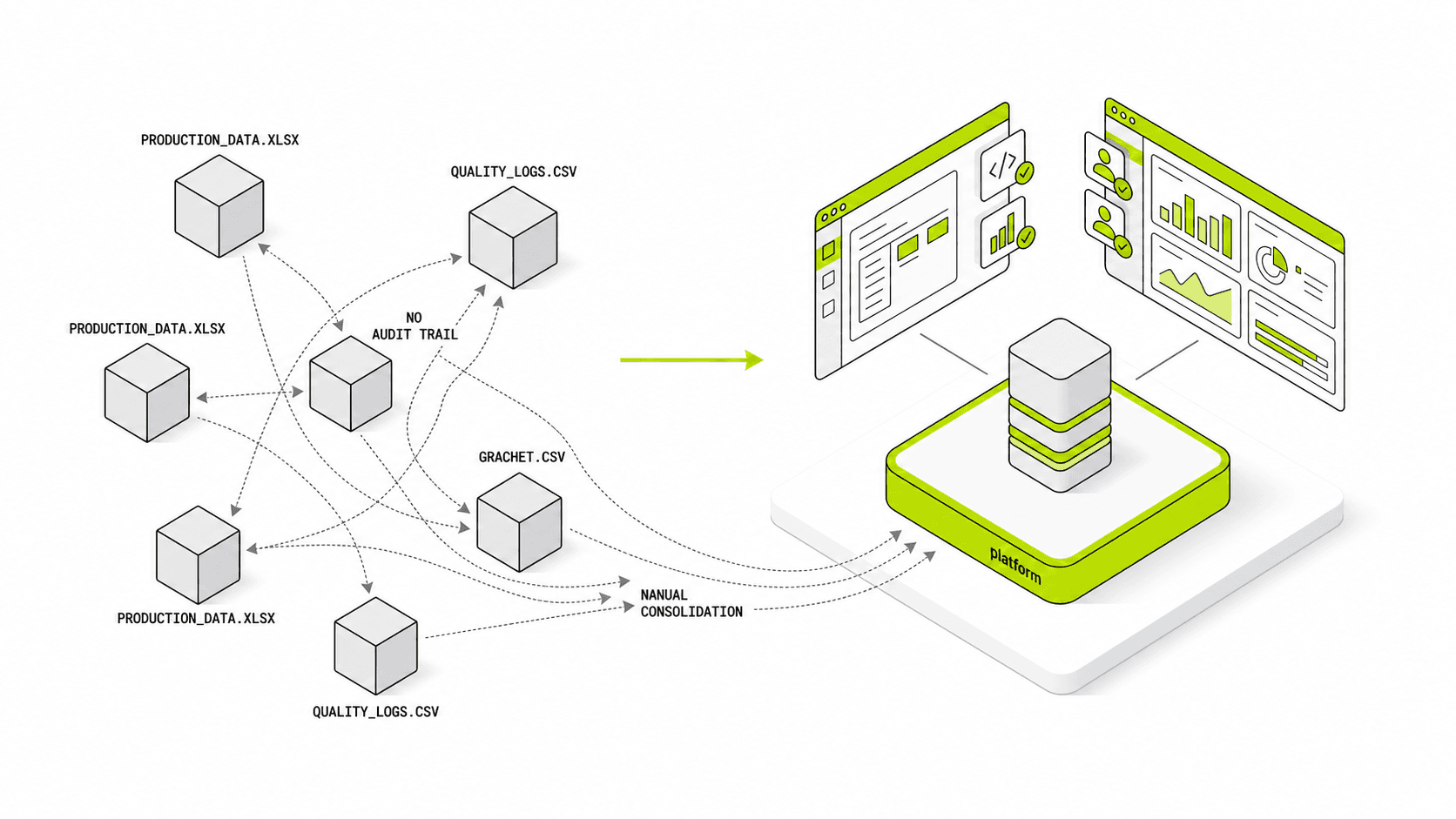
It is not the same as buying random small tools with no structure. That creates fragmentation. It is also not just “moving paper into a screen” if no process clarity, role visibility, or data traceability is added.

The best lightweight digitalization creates software that is simple to adopt but still structured enough to support better management. That means clear records, defined status, appropriate permissions, and reusable data where possible.
When companies should consider it

This approach is especially effective when:

  • a workflow is frequent and visible

  • the current method depends on paper, chat, or spreadsheets

  • the pain is clear but the process is not complex enough for a major system

  • the business wants value in weeks, not quarters

  • future change is likely, so flexibility matters

For many growing manufacturers, this describes a large number of operational workflows.

The connection to Tier0

Tier0’s opportunity in lightweight digitalization is not to promise a full enterprise program for every customer. It is to help companies start with practical, high-value workflows while preserving a more consistent foundation underneath.

That distinction matters. Many tools can create a quick app. Fewer can help a business avoid fragmentation when it later wants the second, third, and fourth app. Lightweight digitalization should be fast, but it should not become messy.

Final takeaway

Lightweight digitalization is a practical method for improving operations one workflow at a time. It helps manufacturers replace manual, fragmented ways of working with focused applications that are faster to launch, easier to change, and better aligned with real operational needs.

FAQ

Is lightweight digitalization only for small companies?

Does lightweight mean low-value?

Can lightweight digitalization scale later?


If your team has a workflow that is too important for Excel but too small for a major software project, let’s identify whether it is a good lightweight digitalization candidate.


Recent blogs

  • Product

    Tier0 vs MQTT Brokers (EMQX, HiveMQ): Why a Broker Is Necessary But Not Sufficient

    May 26, 2026

    Product

    Tier0 vs Ignition: Two Paradigms - SCADA Engineering vs UNS + Natural-Language Generation

    May 25, 2026

    Product

    Tier0 vs United Manufacturing Hub: Open-Source Infrastructure or Productized UNS Application Delivery?

    May 22, 2026

    Product

    Tier0 vs HighByte: Industrial DataOps Component or Full-Stack UNS Platform with AI-Generated Apps?

    May 21, 2026

    UNS

    The Full-Stack UNS Platform: From Data Foundation to UNS-Native Applications

    May 20, 2026

    Partner

    Tier0 × EMQX: Building a Real-Time Data Foundation for Industrial AI

    May 19, 2026

    UNS

    What is Unified Namespace (UNS)?

    May 6, 2026

    Product

    What is an Industrial App Platform?

    May 7, 2026

    Use Cases

    What is Lightweight Digitalization?

    May 8, 2026

    Use Cases

    From Excel to System: What Changes?

    May 7, 2026

    Use Cases

    What is Shopfloor Digitalization?

    May 7, 2026

    AI

    Reinventing Industrial Software

    Apr 18, 2026

    UNS

    UNS – The Sole Key to Industrial Digitalization

    Oct 10, 2024

    AI

    Lightweight Multimodal Models for Edge-Based Defect Detection

    Sep 23, 2024

    AI

    Discrete-Event Simulation + Reinforcement Learning

    Sep 9, 2024

    Integration

    MING & Modern IIoT

    Aug 21, 2024

    UNS

    Revolutionize Industrial Data Integration: The UNS Approach

    Feb 7, 2024

  • Product

    Tier0 vs MQTT Brokers (EMQX, HiveMQ): Why a Broker Is Necessary But Not Sufficient

    May 26, 2026

    Product

    Tier0 vs Ignition: Two Paradigms - SCADA Engineering vs UNS + Natural-Language Generation

    May 25, 2026

    Product

    Tier0 vs United Manufacturing Hub: Open-Source Infrastructure or Productized UNS Application Delivery?

    May 22, 2026

    Product

    Tier0 vs HighByte: Industrial DataOps Component or Full-Stack UNS Platform with AI-Generated Apps?

    May 21, 2026

    UNS

    The Full-Stack UNS Platform: From Data Foundation to UNS-Native Applications

    May 20, 2026

    Partner

    Tier0 × EMQX: Building a Real-Time Data Foundation for Industrial AI

    May 19, 2026

    UNS

    What is Unified Namespace (UNS)?

    May 6, 2026

    Product

    What is an Industrial App Platform?

    May 7, 2026

    Use Cases

    What is Lightweight Digitalization?

    May 8, 2026

    Use Cases

    From Excel to System: What Changes?

    May 7, 2026

    Use Cases

    What is Shopfloor Digitalization?

    May 7, 2026

    AI

    Reinventing Industrial Software

    Apr 18, 2026

    UNS

    UNS – The Sole Key to Industrial Digitalization

    Oct 10, 2024

    AI

    Lightweight Multimodal Models for Edge-Based Defect Detection

    Sep 23, 2024

    AI

    Discrete-Event Simulation + Reinforcement Learning

    Sep 9, 2024

    Integration

    MING & Modern IIoT

    Aug 21, 2024

    UNS

    Revolutionize Industrial Data Integration: The UNS Approach

    Feb 7, 2024