From Excel to System: What Changes?
Use Cases
3 minutes
Spreadsheets vs Structured Apps
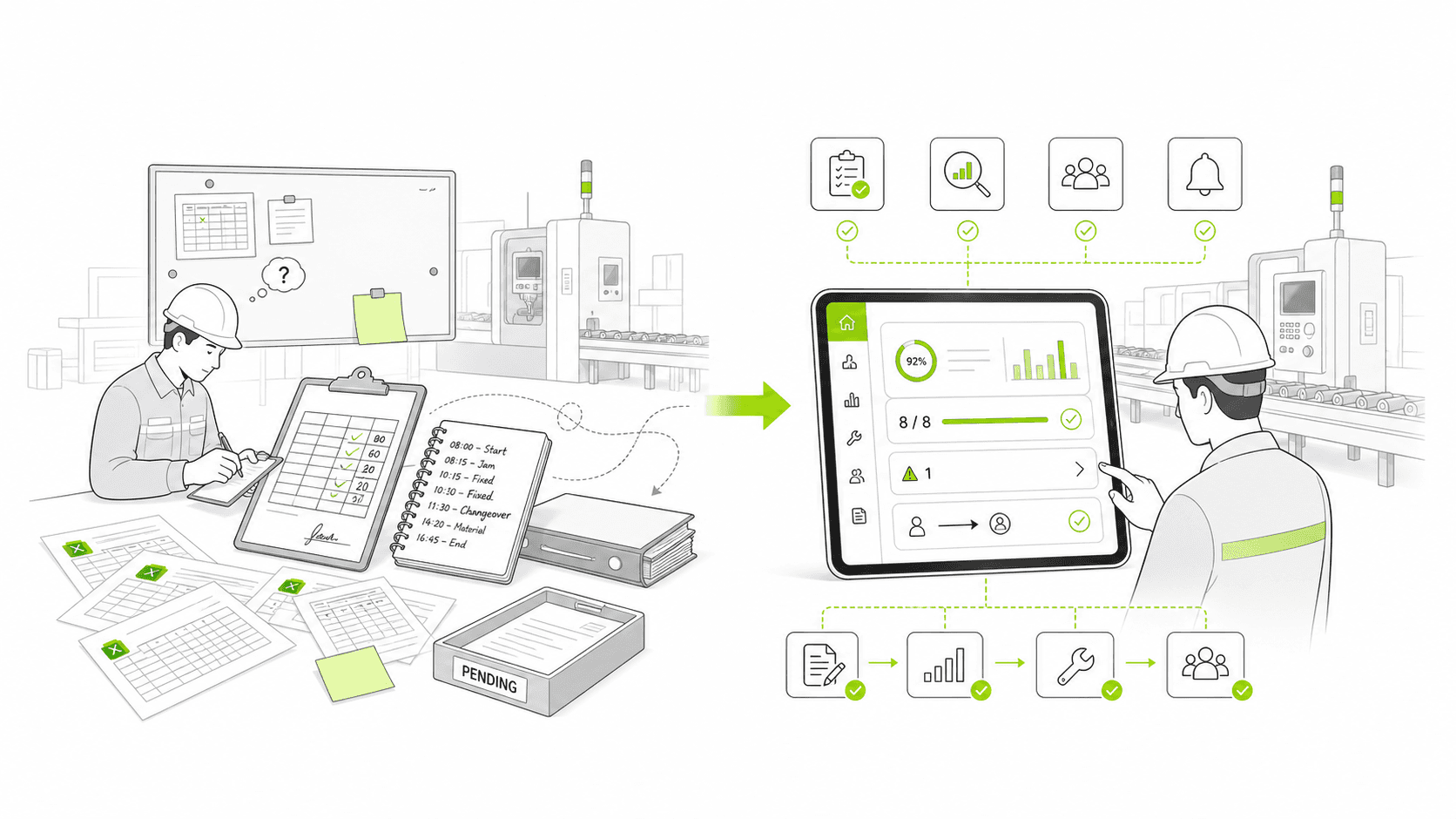
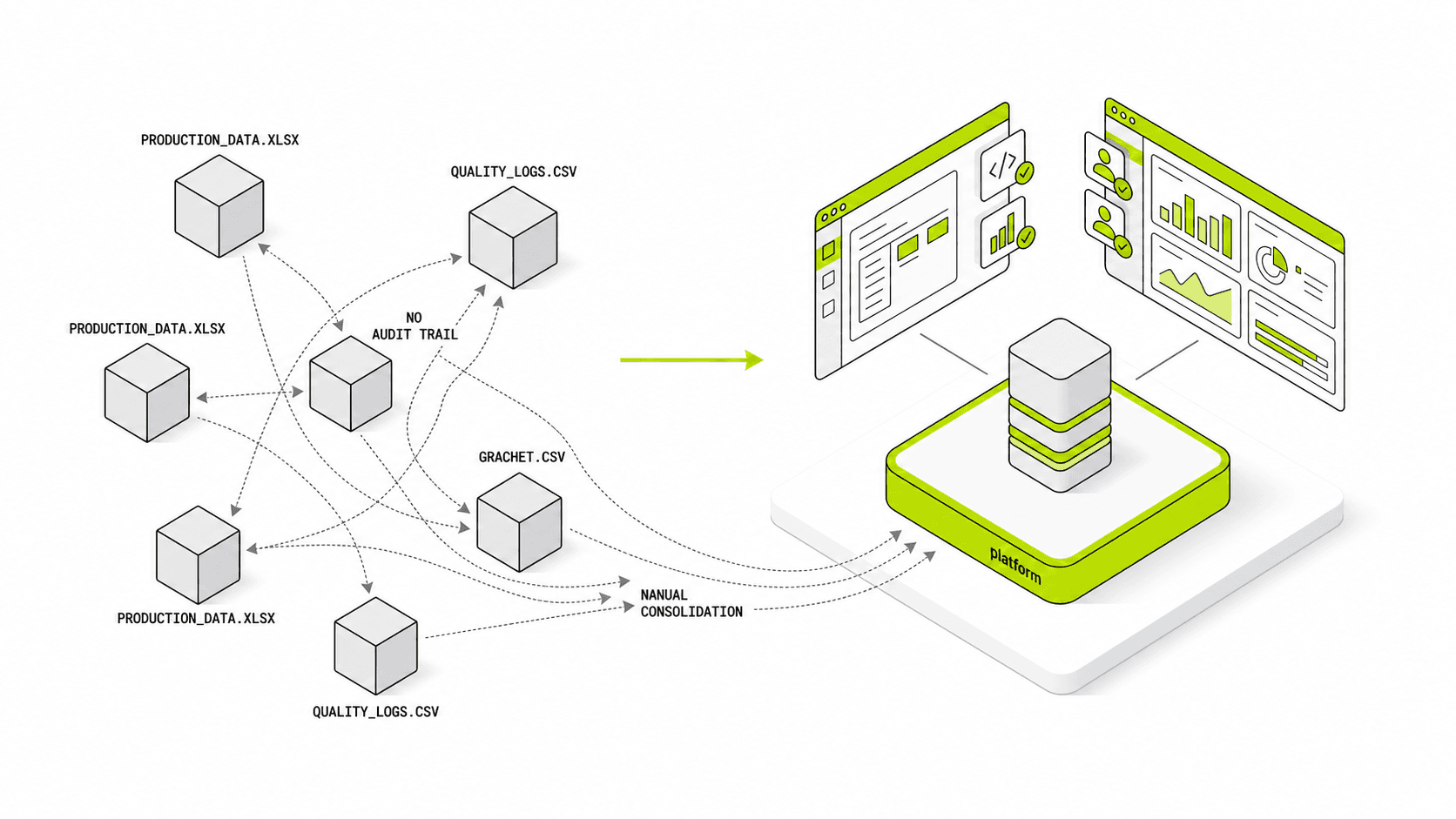
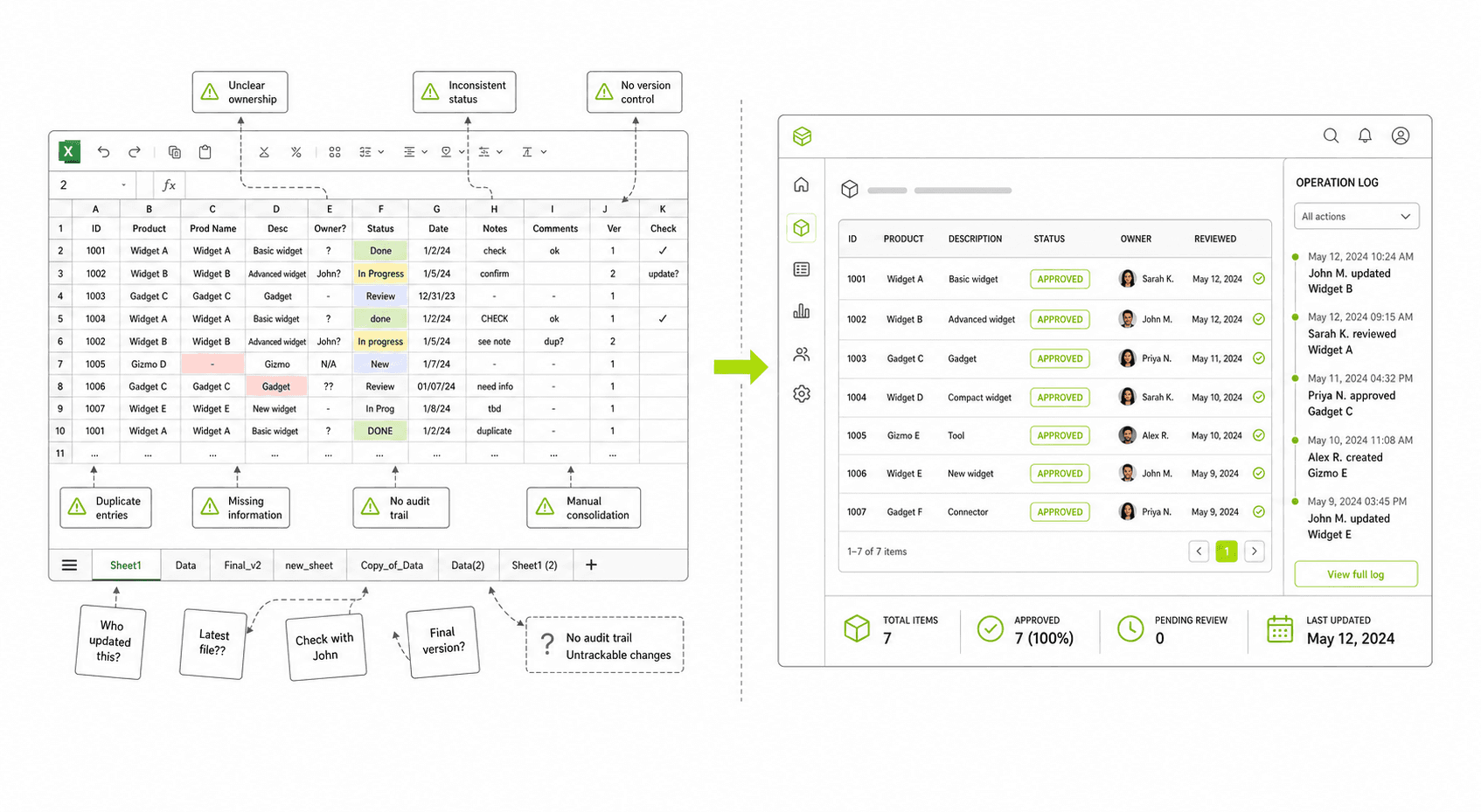
Spreadsheet-based management and a structured operational system are often discussed together, but they solve different problems and make sense in different operating contexts. Spreedsheet brings a criticle risk: In a spreadsheet, anyone can overwrite a production record with no audit trail. In a structured app, every entry is timestamped, attributed to a user, and versioned automatically. The wrong choice usually happens when a business evaluates them as interchangeable. A better approach is to compare them based on goal, implementation model, time to value, flexibility, and long-term operating impact.
What each approach is designed to do
Spreadsheet-based management is typically chosen when companies need lightweight recording and familiarity. a structured operational system is usually chosen when companies need better control, traceability, collaboration, and process visibility. That means the real decision is rarely about which label sounds more advanced. It is about which model matches the business problem.
Decision criteria
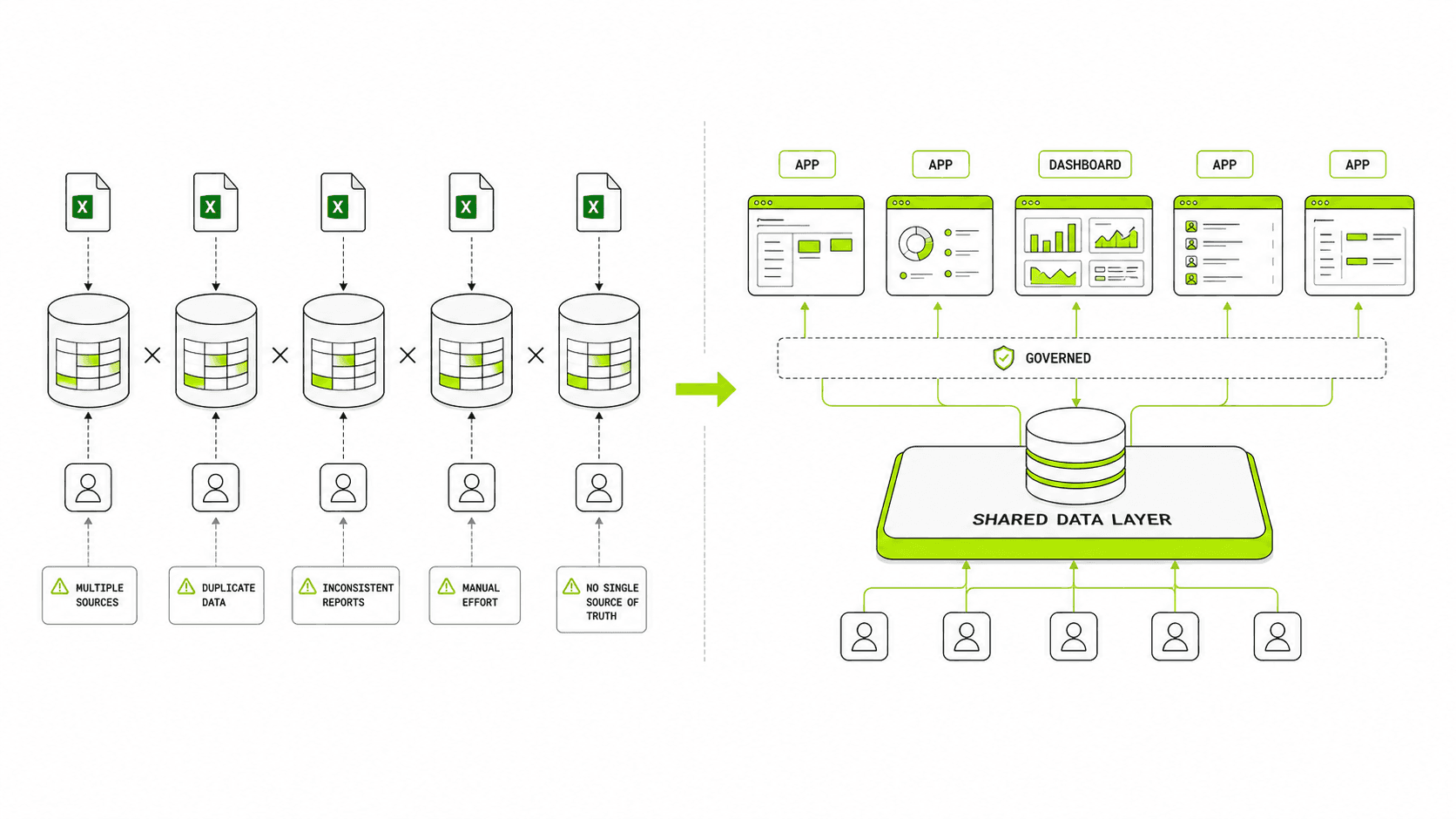
Version control and data consistency
Role-based access instead of unrestricted editing
Process status and ownership instead of manual follow-up
Structured records and reporting instead of manual consolidation
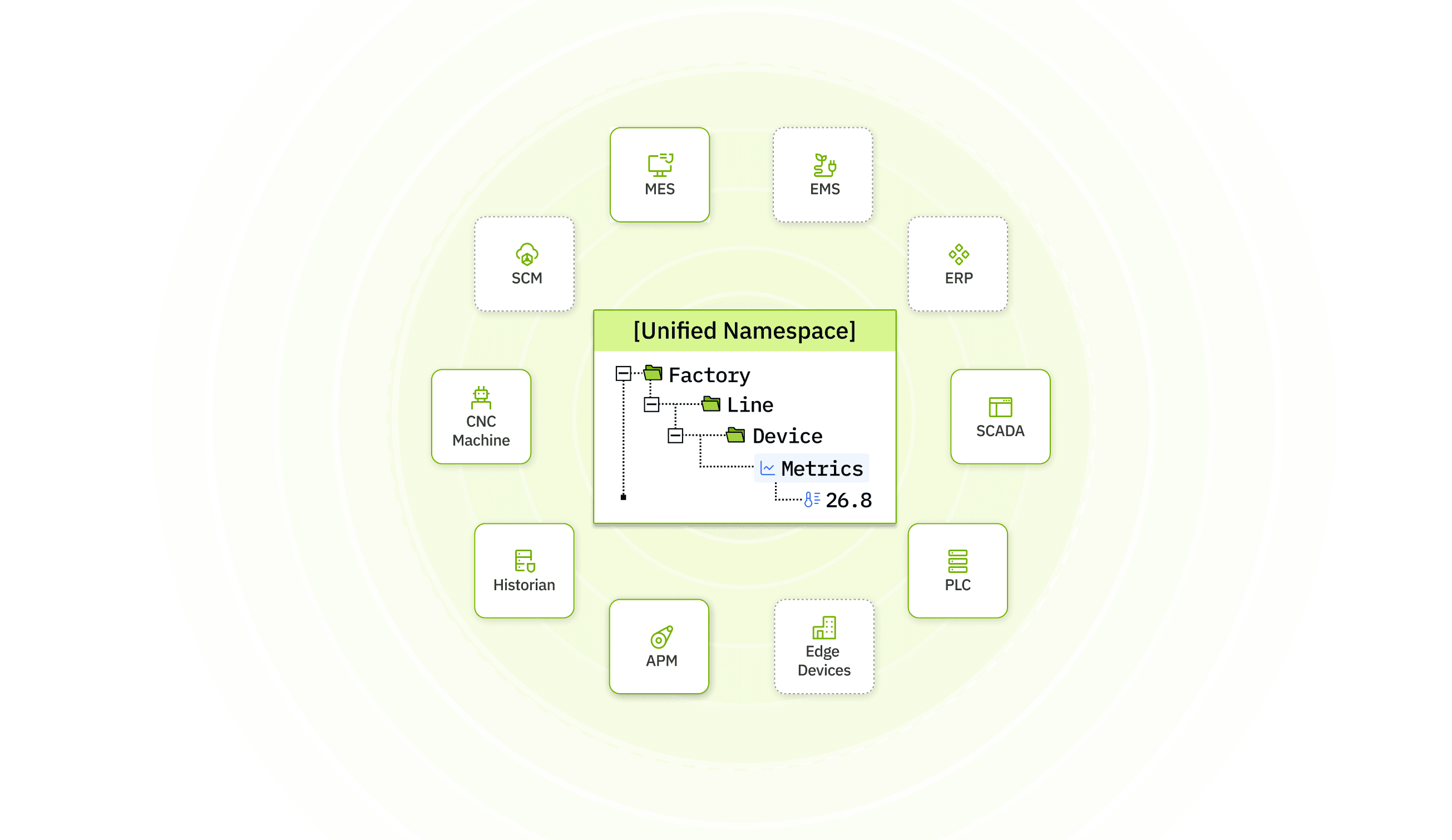
A path to reuse data across applications instead of keeping it locked in isolated files
Time, cost, and change impact
One of the most practical differences between Spreadsheet-based management and a structured operational system is how change is handled. With Spreadsheet-based management, organizations often accept more predefined structure in exchange for stronger standardization. With a structured operational system, organizations usually expect faster adaptation for focused workflows, but they must still maintain governance and avoid fragmentation.
That makes the decision less about technology purity and more about operational fit. If the company needs a broad, tightly controlled operating model across many execution domains, Spreadsheet-based management may be more appropriate. If the company needs to launch targeted use cases quickly without turning each one into a custom project, a structured operational system can be the better route.
Where Tier0 fits
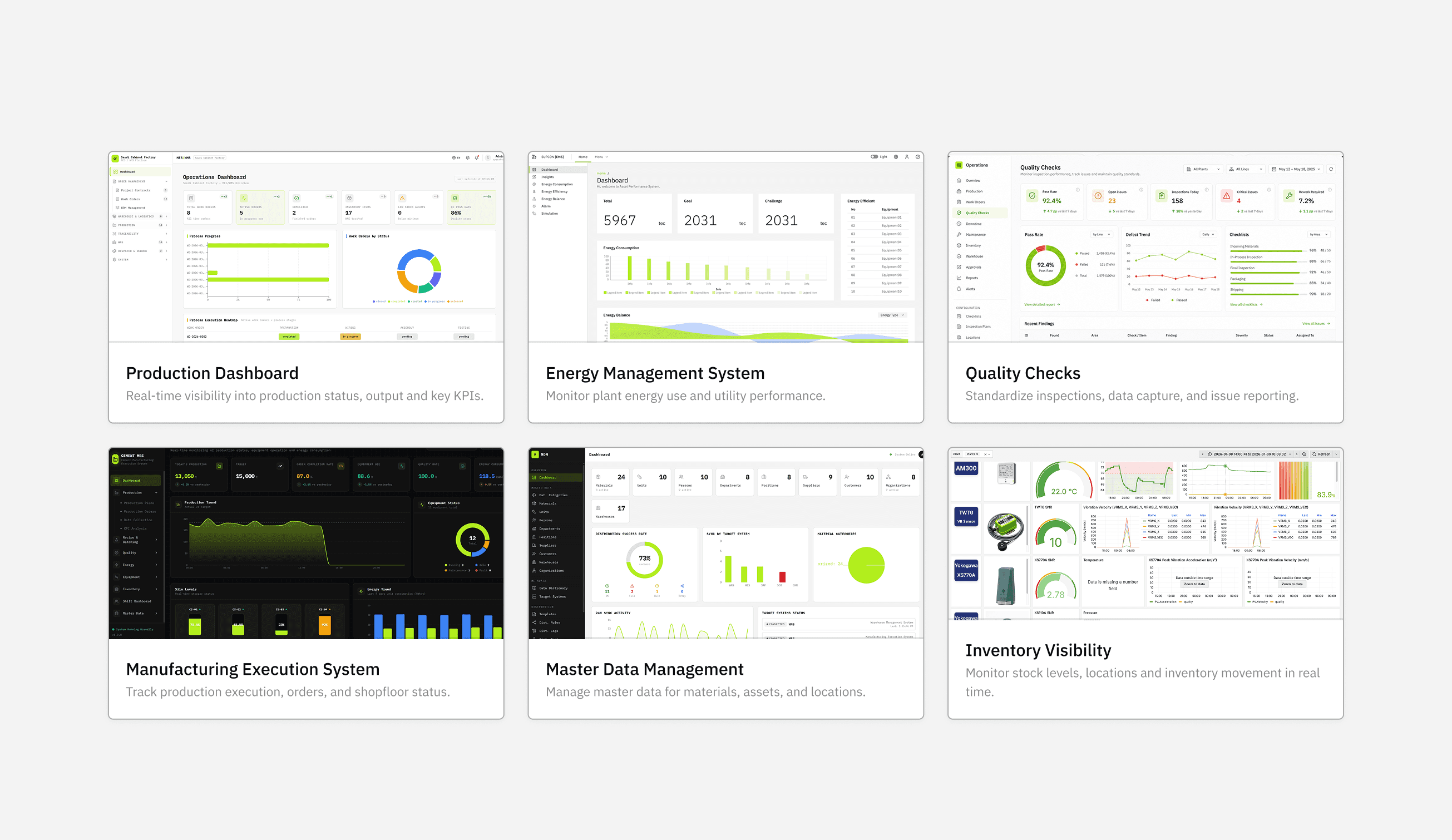
Tier0’s relevance here is not simply that it can replace a spreadsheet with a form. The stronger story is that it can turn frequently used operational workflows into governed applications while preserving a more reusable data structure underneath.
Final takeaway
Moving from Excel to a structured system is not an all-or-nothing decision. Many manufacturers start by digitizing one high-frequency workflow—like daily production reporting—and expand from there as the team gains confidence.