What is an Industrial App Platform?
Product
3 minutes
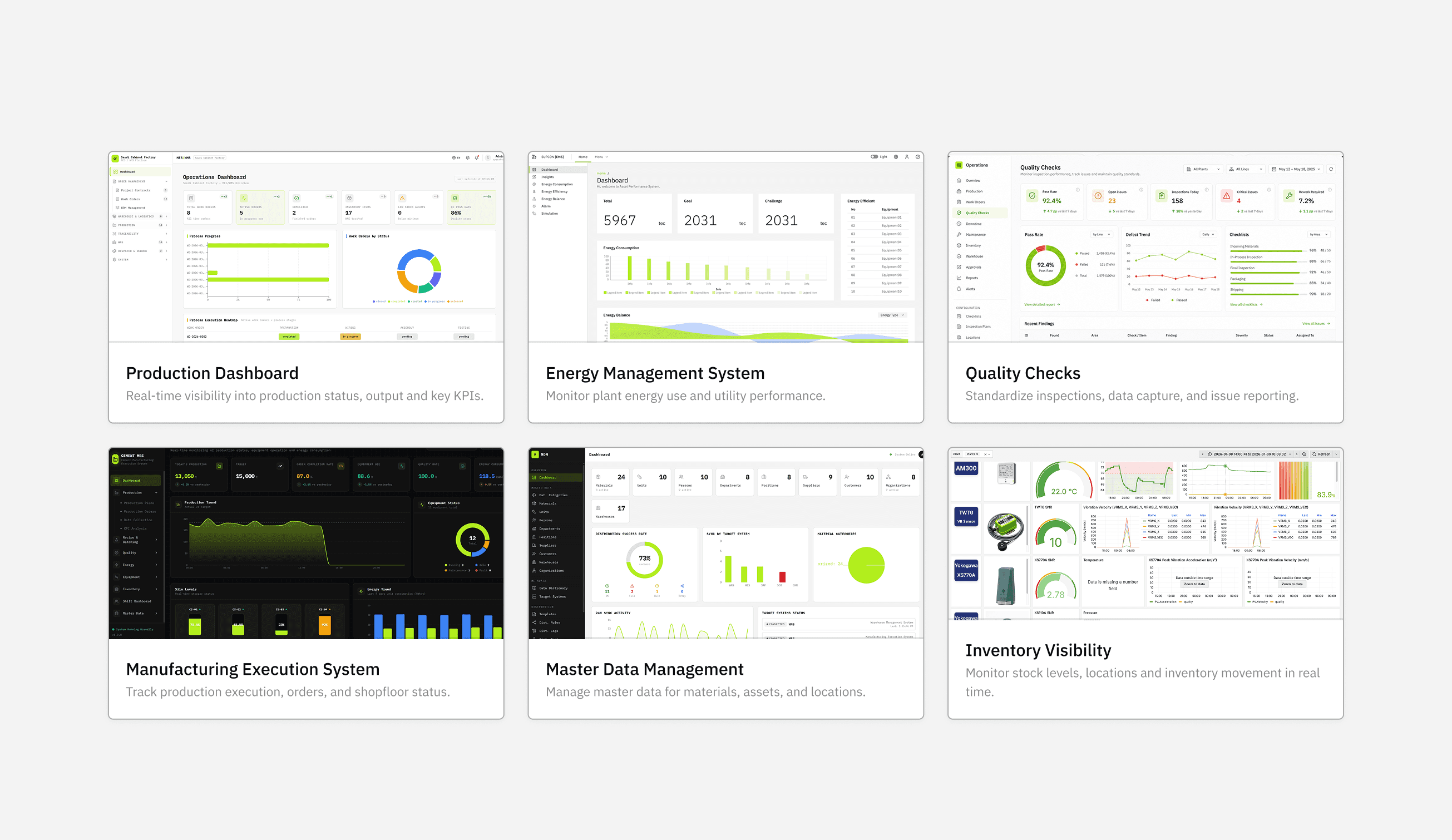
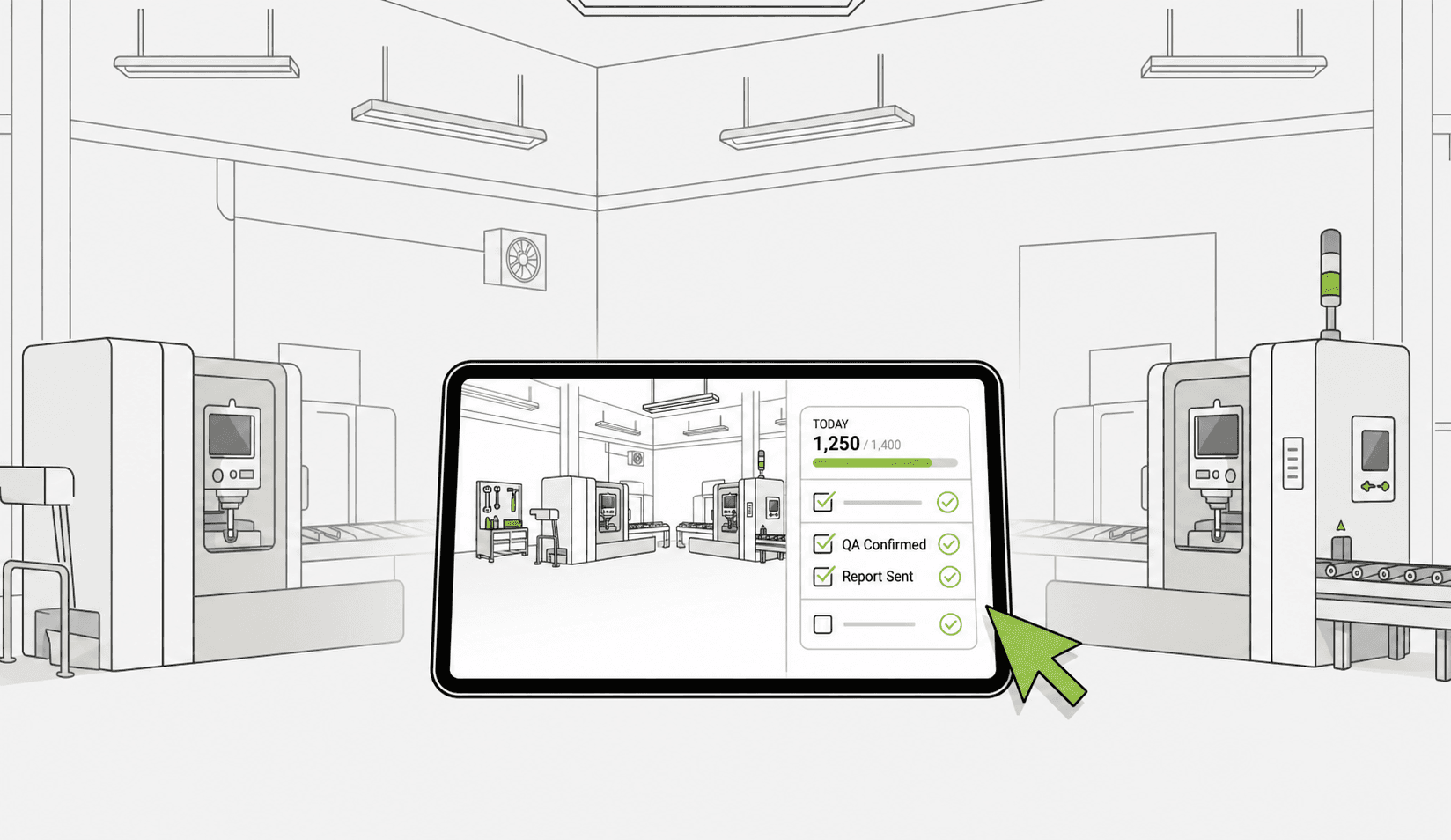
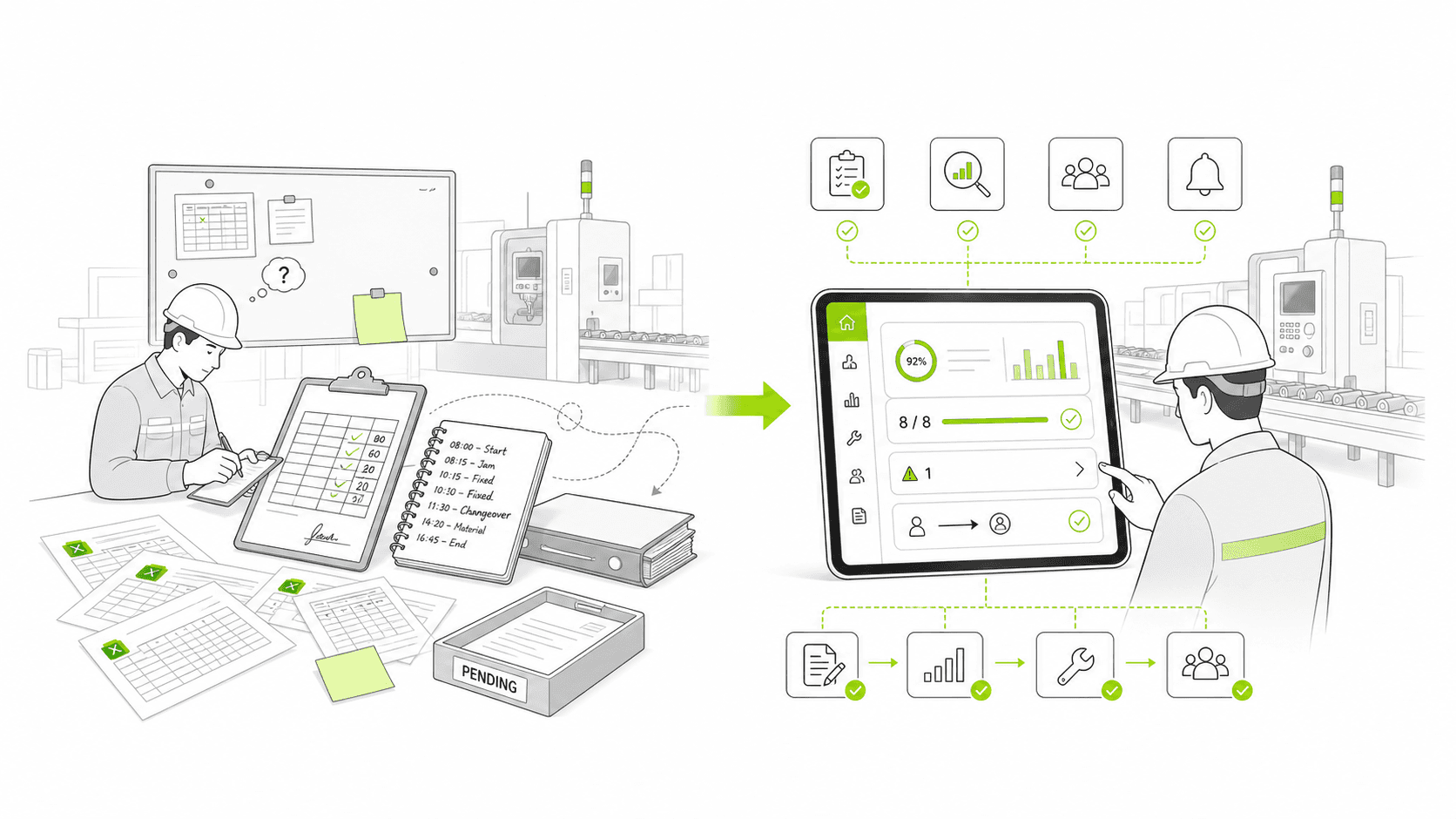
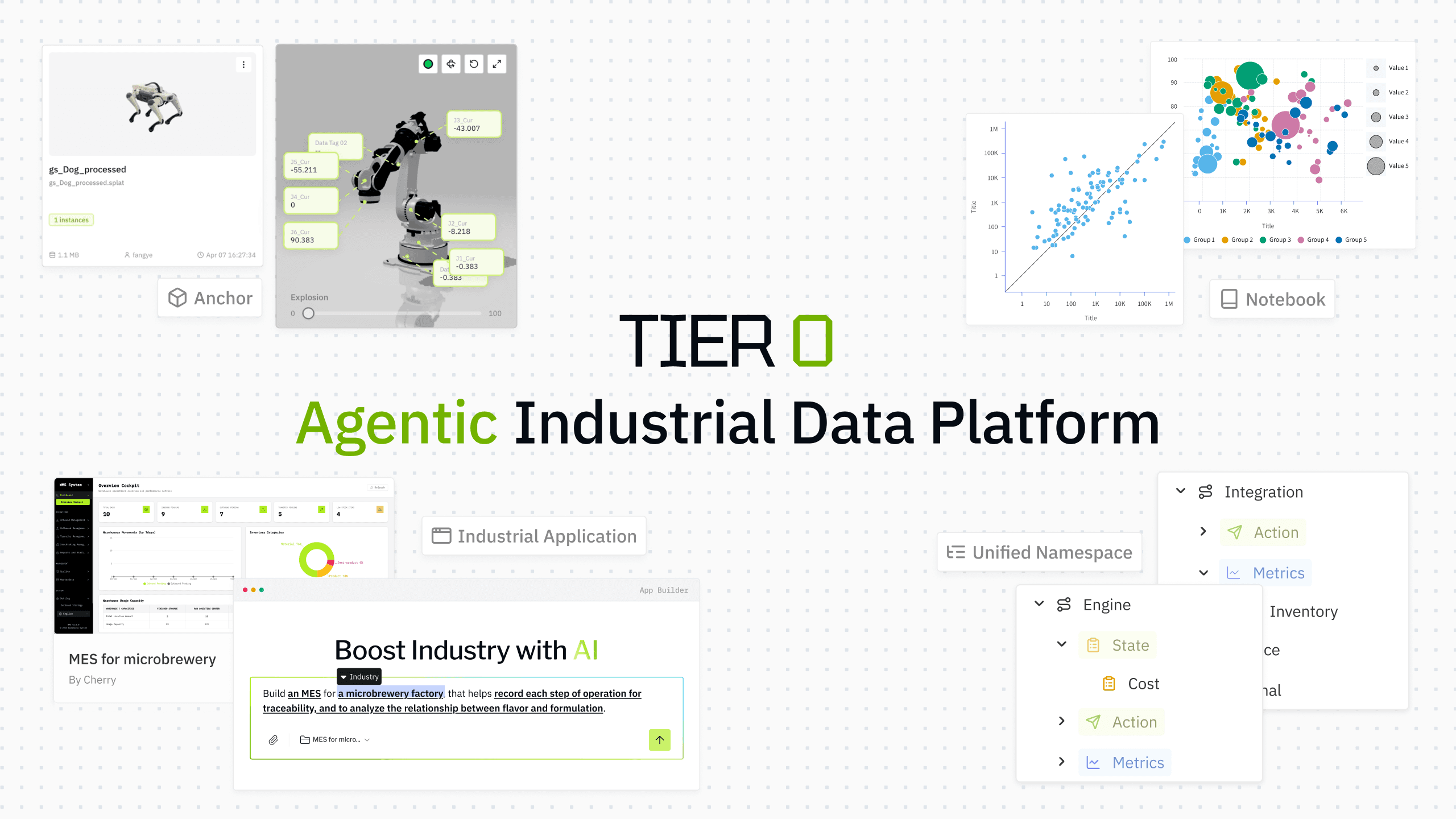
An industrial app platform is a software foundation used to build, deploy, and manage operational applications for manufacturing and industrial environments. Instead of buying one monolithic system for every need, a company uses a platform to create targeted applications such as production reporting, abnormal tracking, inspection records, inventory logging, or shift handover.
The idea is straightforward. In many factories, the demand for software is wider than the capacity of traditional software projects. Teams need many small or mid-sized applications, but each request cannot justify a long implementation cycle or a large custom-development budget. An industrial app platform exists to shorten that gap.
Why this category matters
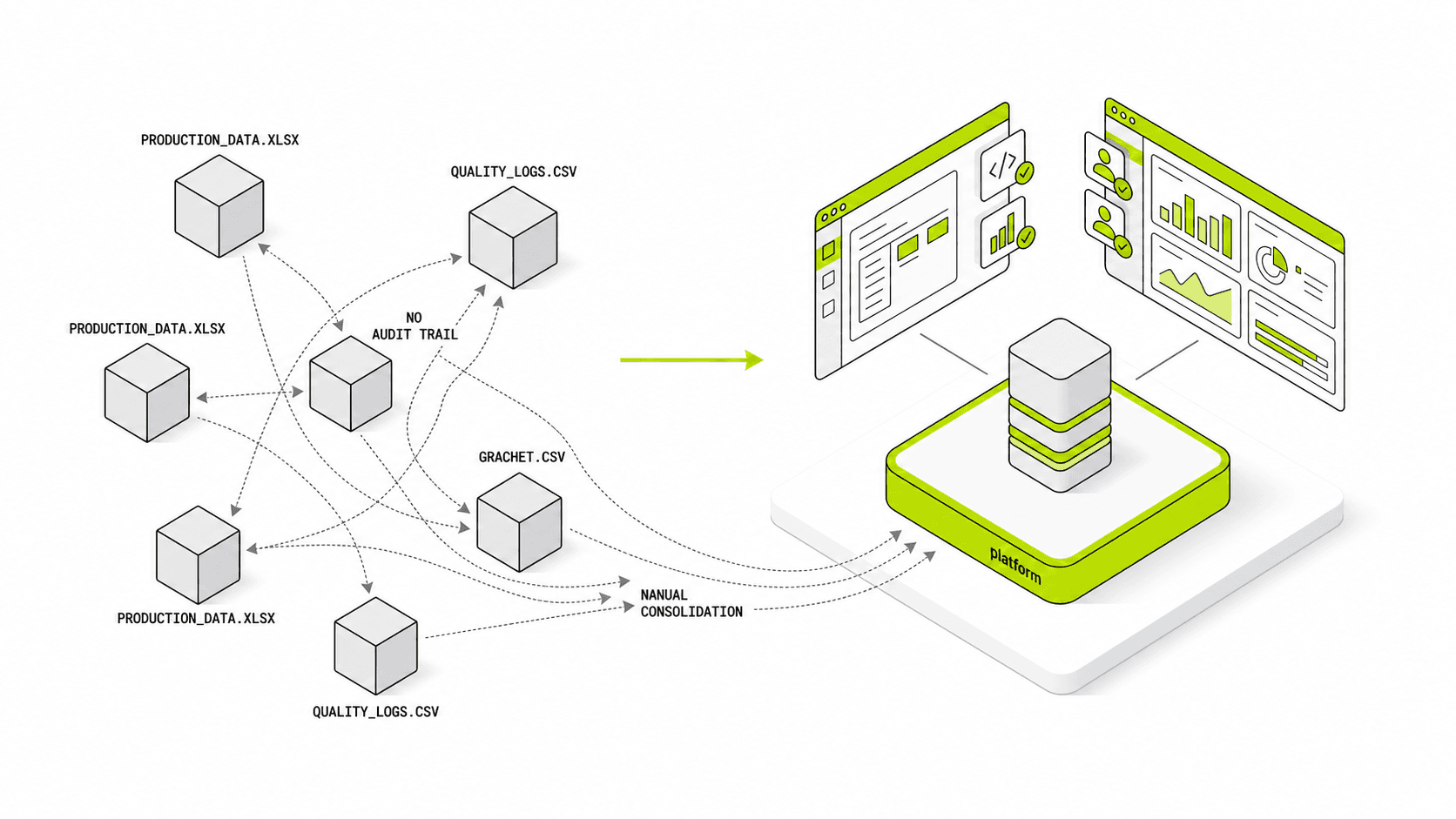
Traditional industrial software is often delivered as large systems. Those systems can be powerful, but they are not always a good fit for every use case. Many manufacturers have important workflows that are too small for a full enterprise project and too operationally important to remain in paper forms, spreadsheets, or chat messages.
This is where an industrial app platform becomes useful. It helps teams turn specific workflows into usable software without treating each request like a full-scale IT program.
For example, a factory may not want to launch a complete MES project just to improve production reporting on one line. It may not want a heavyweight quality system just to digitize one inspection checklist. A platform approach allows those use cases to be built faster and with less overhead.
What makes an industrial app platform different
A true industrial app platform is not just a generic app builder with industrial branding. It should support the realities of shopfloor operations, including:
structured operational data
role-based visibility
process status and traceability
integration with plant or enterprise systems where needed
mobile-friendly data capture for frontline teams
reusable logic, templates, and data models
The goal is to make apps feel like practical operational software, not like repackaged spreadsheets.
Platform versus monolithic software
Monolithic software starts with a predefined product scope. A platform starts with reusable building blocks. That difference changes how companies adopt software.
With monolithic software, the company asks, “Can the product fit our process?”
With a platform, the company asks, “Can we build the process we need on top of a reusable foundation?”
That does not mean platforms replace all productized applications. In many cases, standard products are still the right answer. But a platform is especially valuable when requirements vary by plant, team, or operational maturity.
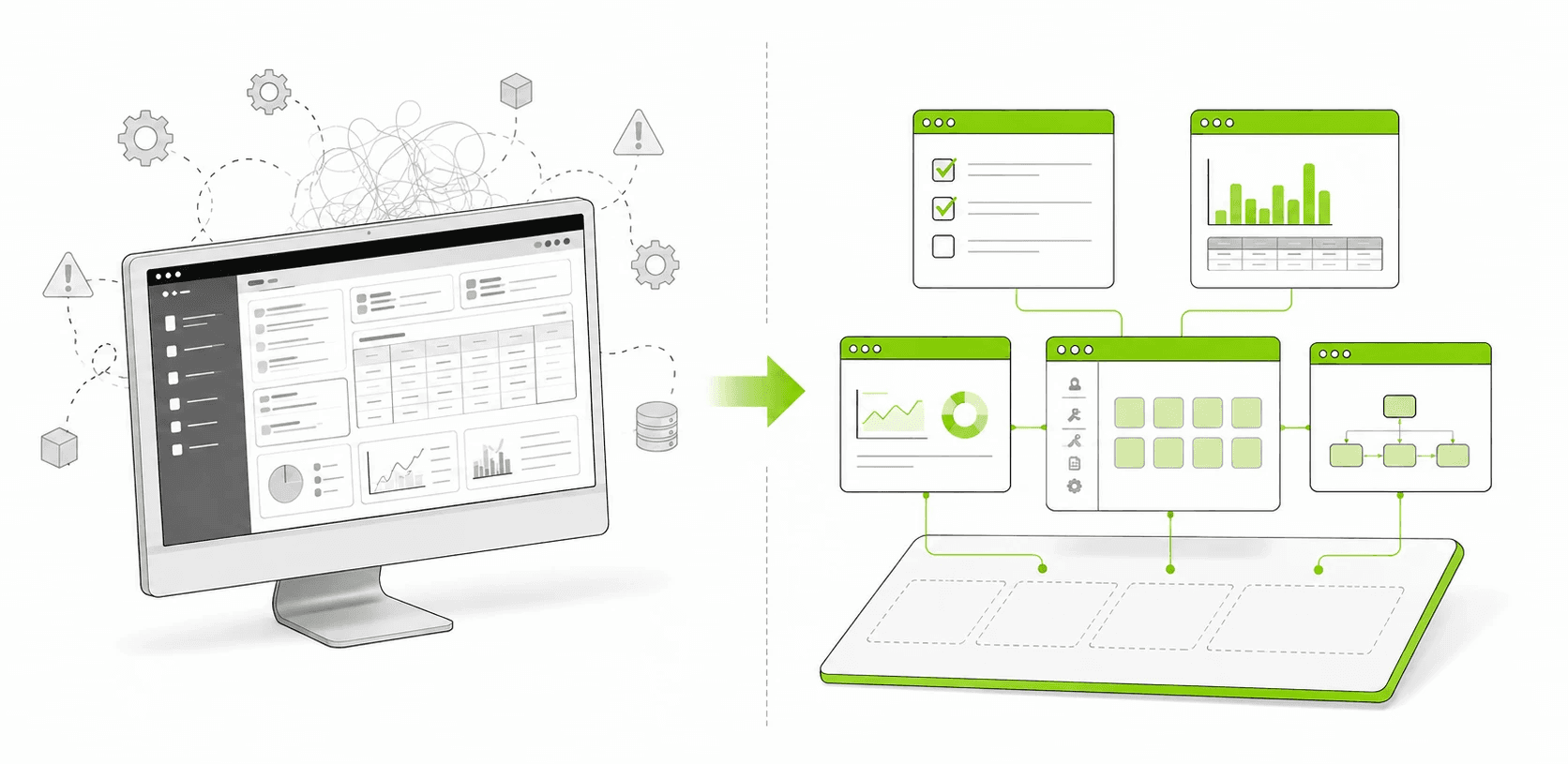
Platform versus custom development
Custom development gives flexibility, but it can become slow and expensive when every project starts from scratch. An industrial app platform aims to preserve flexibility while reducing repeated effort.
That usually happens through reusable components:
templates for common workflows
prebuilt page patterns
shared data structures
reusable integration methods
configurable permissions and status flows
This is why a platform can often deliver value in weeks instead of months for targeted use cases.